Updated October 12, 2026
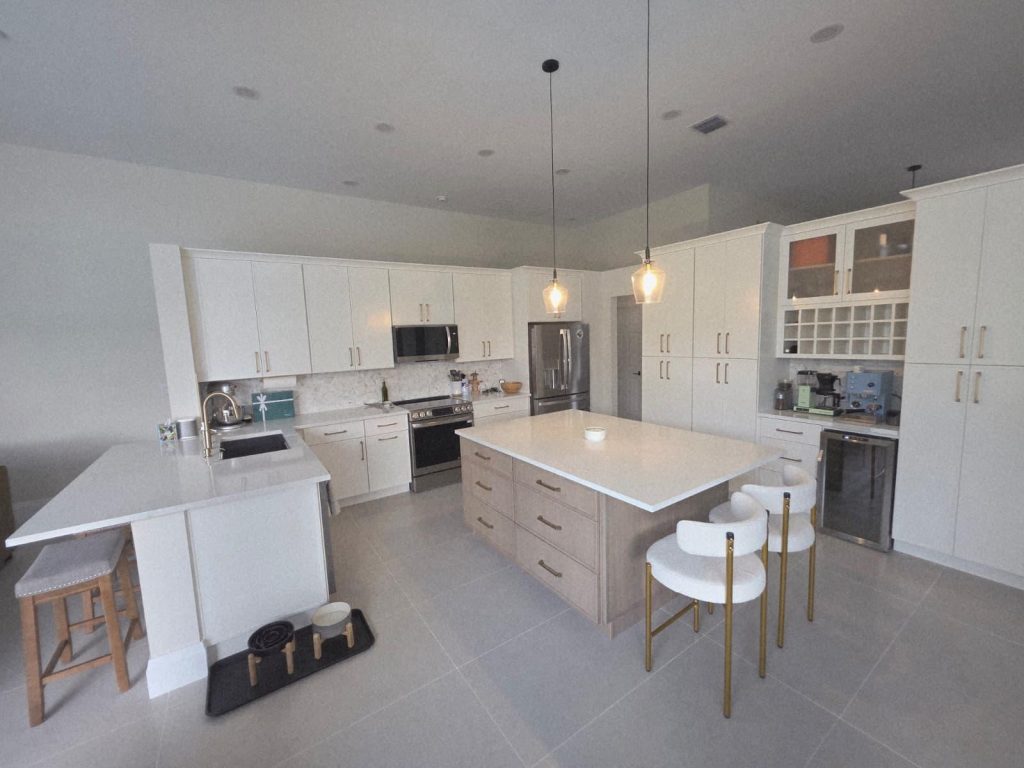
A kitchen can look beautiful and still be frustrating to use. Before choosing finishes, decide where the items you reach for every day will live. This guide focuses on storage and appliance fit; our kitchen remodeling service page explains how to discuss the full project.
Start With What You Actually Store
List your cookware, dishes, food containers, small appliances and pantry items. Note what is difficult to reach in the current kitchen. A deep drawer may work better for pots than a shelf; narrow pullouts can keep small items accessible. The right combination depends on your habits and available cabinet space.
Place Storage Near the Task
Think through preparing a meal, serving it and cleaning up. Keep preparation tools near the work surface, everyday dishes convenient to the dishwasher, and frequently used cooking items near the range without creating clearance or heat problems. Decide where trash and recycling will go before the base-cabinet layout is finalized.
Check Pullouts Against the Actual Cabinet Plan
Spice pullouts, tray dividers and waste bins need compatible cabinet dimensions and hardware. Ask to see how each accessory fits the selected cabinet system. A feature in an inspiration photo may need a different cabinet width or reduce storage elsewhere.
Use Appliance Specifications, Not Assumptions
Provide exact appliance model numbers and installation instructions before ordering cabinets. Check openings, ventilation, utility connections and the space needed to open doors or drawers. Include the hood, microwave and dishwasher as well as the refrigerator and range. Make clear which appliances you are purchasing yourself.
Review Corners, Islands and Open Doors
Look at the layout with appliance and cabinet doors open. Consider whether two people can use the kitchen comfortably and whether an island interferes with the main route through the room. Corner storage should be chosen alongside the adjoining cabinets, not added after the layout is approved.
A Storage Checklist to Review With Your Cabinet Plan
Walk through the proposed kitchen one activity at a time. For breakfast, identify where mugs, coffee supplies and small appliances will sit. For dinner, follow the route from food storage to washing, preparation, cooking and serving. For cleanup, check where dishes land before they enter the dishwasher and where they will be put away afterward. This exercise can reveal missing storage before cabinets are ordered.
- Cooking: List the largest pots, baking sheets and utensils. Review the usable interior dimensions of drawers and pullouts.
- Food storage: Decide which items belong in a pantry, which need a shallow shelf and which you want visible at a glance.
- Countertop appliances: Choose what stays out, what gets stored and where each item will be used.
- Cleaning: Allow room for bins and supplies without assuming that the entire sink cabinet will be available; plumbing and accessories take space.
- Occasional items: Give serving pieces and seasonal cookware a home so they do not occupy the most convenient everyday storage.
Compare Storage Options Within the Budget
A cabinet quote should make it clear which drawers, pullouts and organizers are included. Ask for optional accessories to be priced separately so you can decide where they add the most value. Prioritize storage that solves a daily problem, then compare the remaining upgrades against other selections such as counters and hardware.
Moving an appliance or changing an island can affect more than cabinetry. Ask whether the proposal includes the related electrical, plumbing, flooring or finish work. Comparing cabinet prices alone will not show the total difference between two layouts.
What Needs to Be Decided Before Ordering?
Confirm measurements, appliance models, cabinet configuration, fillers, finished sides, hardware and any accessories that must be built into the order. Ask which products have confirmed availability and which decisions could delay delivery. Separate the ordering period from the planned installation period; demolition should be coordinated with material readiness and any required approvals.
If you change a selection after approval, request a written explanation of the cost and schedule effect before the revised order is released. Bring your marked-up cabinet plan and selection list to the final review so everyone is working from the same version.
Still choosing the look of the room? Compare kitchen styles and finishes alongside your storage plan.
Record the Final Selections
Keep a written record of cabinet colors, drawer arrangements, pullouts, hardware and owner-supplied items. Review final measurements and the approved layout before releasing the order. Changing the design later can affect both price and timing.
For the broader preparation checklist, read eight decisions to make before kitchen demolition. Ready to discuss your layout? Request a consultation and share photos, your city and the changes you have in mind.