- Hello, Welcome to Florida Quality Builders website


Landscaping and Gardening
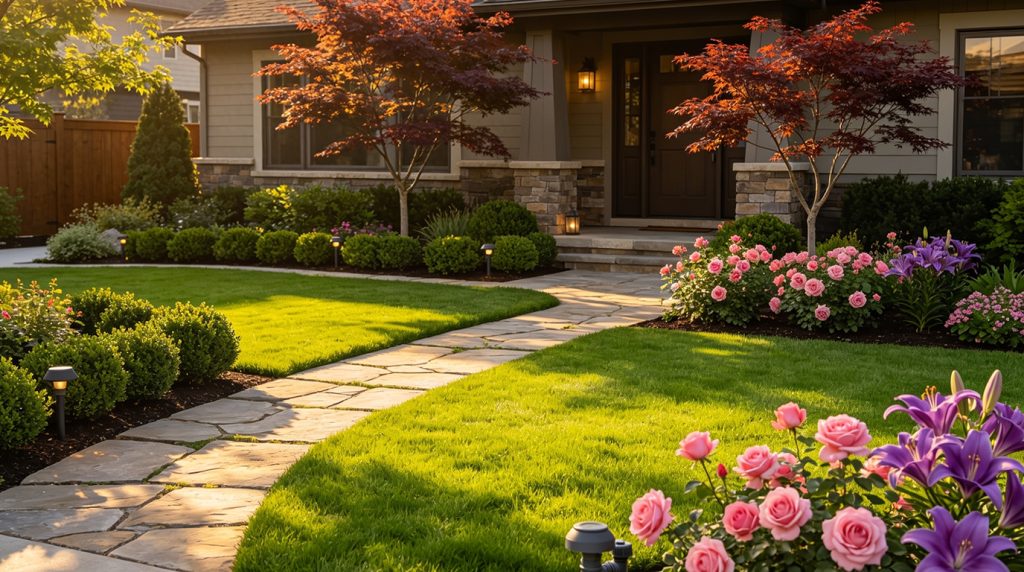
Landscaping and Gardening in South Florida? You’re in the right place. Homeowners in Broward and Miami‑Dade want clear steps, before/after ideas, and trusted pros who know hurricanes, heat, and salt air. We researched local projects, analyzed costs, and built a simple plan you can use today.
Based on our analysis of South Florida remodels, curb appeal upgrades deliver real value. The National Association of REALTORS reports landscape maintenance can recover about 104% of cost at resale, and 92% of agents recommend curb improvements before listing (NAR). EPA WaterSense notes outdoor water use can reach 30% of household demand, which is why efficient irrigation and smart controllers matter (EPA WaterSense).
Florida Quality Builders serves South Florida (Broward & Miami‑Dade) with a licensed & insured, bilingual team. The company offers a free in‑home consultation to help you scope Landscaping and Gardening, Exterior Construction, and even Floor Renovation that ties your interior to the yard. We found that coordinated planning reduces rework and speeds permits.
Search intent here is navigational: you want a local roadmap, climate‑ready plant lists, and who to call for code‑compliant work. As of 2026, extreme rain events and hot summers demand better drainage, efficient Lighting Systems, and water‑smart planting. We recommend starting with a site survey and building outward from there.
Upgrade your home with expert Kitchen & Bathroom Remodeling. Contact Florida Quality Builders today!
What is Landscaping and Gardening? definition and a 7-step plan
Definition: Landscaping and Gardening is the integrated design, construction, and maintenance of hardscape and softscape—planting, soils, irrigation, drainage, lighting, and built features—to create functional, resilient outdoor spaces.
7‑step planning checklist (South Florida):
- Site survey & goals: Document sun/wind, salt exposure, flood risks, and HOA rules; list your Landscaping and Gardening priorities.
- Budget & permits: Set a range, check city portals, and flag items that need stamped plans per the Florida Building Code.
- Schematic design: Map circulation, grading, and drainage to keep water away from the facade and foundation.
- Plant palette & materials: Choose native or Florida‑Friendly species, UV‑stable pavers, and corrosion‑resistant hardware.
- Irrigation & lighting plan: Specify drip/micro‑spray, smart controllers, and low‑voltage LED zones to cut water and energy use (see Energy.gov tips).
- Phased build & contractor selection: Sequence demolition, grading, hardscape, planting, and final Lighting Systems to avoid damage.
- Maintenance schedule: Quarterly irrigation checks, seasonal mulching, and yearly tree inspections to protect your Landscaping and Gardening investment.
Licensed trades required: Any electrical tie‑ins (new circuits, panels), plumbing connections (outdoor kitchens, backflow), roofing or gutter modifications, heating systems (pool heaters), and structural facade construction or wall changes must follow licensed Installation under the Florida Building Code. In High Velocity Hurricane Zone (HVHZ) jurisdictions like Miami‑Dade/Broward, impact‑rated openings and engineered attachments are common.
Landscaping and Gardening: Outdoor Spaces, Hardscape, and Planting Techniques
Outdoor Spaces that work in South Florida: Patios, decks, driveways, walkways, pool surrounds, and living gardens must manage heat, rain, and salt. Porcelain pavers stay cool underfoot and resist mildew. For pool decks, shellstone or textured porcelain with R11 slip ratings improves safety. Along canals or bays, integrate mangrove‑friendly buffers and salt‑tolerant species to stabilize edges.
Plant selection: Favor natives like Coontie (Zamia integrifolia), Simpson’s stopper, Firebush, and Muhly grass for drought tolerance and pollinator support. For turf, St. Augustine ‘Floratam’ handles heat; Zoysia resists wear in play areas. Use 2–3 inches of shredded mulch to reduce evaporation by up to 25% and suppress weeds. We recommend soil tests and compost‑based amendments for sandy soils to improve water retention.
Irrigation: Drip and micro‑sprays deliver water to roots and limit evaporation. EPA WaterSense reports outdoor use can be about 30% of household water and smart controllers can save roughly 15% when programmed correctly (EPA WaterSense). In our experience, grouping plants by water needs (hydrozoning) cuts runtime 10–20% without stressing plants.
Lighting: Low‑voltage (12V) LED systems are efficient and safe around planting beds. Use path lights for circulation, spots for specimen trees, and wall washers to reduce glare. If you need new 120V circuits or panel work, hire a licensed electrician.
Timelines & labor: Small front‑yard planting: 1–3 days. Mid‑size backyard refresh with sod + drip: 1–2 weeks. Full hardscape + lighting + irrigation: 2–6 weeks depending on permitting and inspections. We found that pre‑ordering materials shaves 5–10 days in busy seasons.
PAA quick answers:
- How long does a landscaping project take? Simple plantings finish in days; complex patio and lighting scopes can take 3–6 weeks plus 2–8 weeks for permits in Broward/Miami‑Dade.
- What plants work best in South Florida? Start with native or Florida‑Friendly selections from the University of Florida program (UF/IFAS Florida‑Friendly Landscaping) to handle heat, humidity, and seasonal storms.
Transform your space with beautiful Flooring, Kitchens & Bathrooms. Get in touch now!
Exterior Construction, Facade, Roof Repair & Replacement, and Space Expansions
Why it matters: Your yard planning affects water shedding, grading, and the facade. Poor slopes push rain toward the home, harming Exterior Construction and inviting leaks. Good Landscaping and Gardening diverts water, protects foundations, and sets up clean lines for Facade Construction upgrades.
Space Expansions and Home Additions: When you add a room or expand a living area, drainage patterns change. Coordinate grading, French drains, and gutter downspouts before hardscape. Architectural Integration—matching elevations, thresholds, and door sill heights—prevents trip points and water intrusion.
Roof Repair and Replacement: Tree canopies, new gutters, or pergolas often trigger roof touchpoints. In hurricane‑exposed South Florida, asphalt shingles last ~15–25 years; concrete/clay tile 25–40. Typical replacement takes 2–5 days once permitted, but busy seasons stretch schedules. Always follow the Florida Building Code and HVHZ requirements for attachments.
Permits and engineering: Structural changes, retaining walls, and attached shade structures may require engineering. Expect 2–8 weeks for permit reviews depending on city workload.
Case notes:
- 2019 backyard expansion (Broward): A 420‑sq‑ft living terrace needed re‑grading, two new catch basins, and gutter redirection. Timeline: 5 weeks build after a 3‑week permit. Result: zero ponding during summer storms.
- Coordinated roof + outdoor living room (Miami‑Dade, 2024): Tile roof replacement aligned with a new pergola and lighting. Steps: remove old tile, dry‑in, install pergola footings, re‑tile, then wire low‑voltage lighting. Timeline: 4 weeks build; 6 weeks total with permits.
We recommend planning Space Expansions, Home Additions, and Landscaping and Gardening together to avoid rework, contain cost, and hit energy and drainage goals.
Interior Connections: Floor Renovation, Window & Door Design, Painting, and Systems Integration
Inside–outside flow starts with surfaces: Porcelain tile that continues onto the patio (with exterior slip ratings) creates visual continuity. Natural stone like travertine works if sealed for salt and mildew. Floor Renovation details—threshold flashing, slope, and expansion joints—keep water out while maintaining a flush feel.
Openings that perform: Sliding, folding, and pocket Door Design options expand sightlines. In HVHZ zones, impact‑rated Window Design and Door Design reduce risk from wind‑borne debris and can lower insurance. The Insurance Institute for Business & Home Safety recommends properly anchored, impact‑rated exterior openings in hurricane regions (IBHS).
Paint and decor: Use low‑VOC Interior Painting to match outdoor palettes—cool grays, coastal whites, or sand tones that reflect light. Interior Decoration with durable rugs and UV‑resistant fabrics helps spaces transition outdoors gracefully.
Systems Integration: Plan Electrical Systems for landscape lighting and exterior outlets with in‑use covers. Coordinate Plumbing Systems for outdoor kitchens and hose bibs with backflow devices. For Heating Systems like pool heaters, verify clearances and venting away from windows and doors.
Pre‑landscaping checklist:
- Inspect floor finishes and threshold flashing for proper slope.
- Confirm window sill drainage paths and sealants are intact.
- Verify dedicated GFCI circuits for exterior outlets/lighting.
- Ask trades: how will irrigation and Lighting Systems cross under hardscape? What is the warranty on penetrations at the facade?
One stat to keep in mind in 2026: EPA notes LED lighting uses up to 75% less energy than traditional bulbs and lasts longer (Energy.gov), which is ideal for nightly exterior lighting.
Eco-Friendly Renovations & Energy Efficiency for Landscapes and Gardens
Materials and practices that fit South Florida: Use permeable pavers to reduce runoff, FSC‑certified wood for shade structures, low‑VOC paints, and compost‑amended soils for sandy sites. Native palettes reduce fertilizer and irrigation demand. Energy.gov notes that strategic shading and reflective surfaces improve comfort and reduce cooling loads (Energy.gov).
Energy efficiency strategies: Shade west and south walls with canopy trees, add reflective or lighter hardscapes, and plant wind‑filtering hedges. Well‑placed shade can reduce cooling energy use by about 10–15% in warm climates (DOE/Energy Saver guidance). Pair that with efficient irrigation to compound savings.
Rainwater harvesting (step‑by‑step):
- Confirm gutter and downspout locations; add leaf screens.
- Install a 50–80 gallon barrel with an overflow that directs excess away from the facade.
- Add a first‑flush diverter and mosquito screen; secure to a level pad.
- Use a hose bib or drip connection for beds; clean filters quarterly.
Graywater basics: Graywater reuse may be allowed with permits and backflow protections under the Florida Building Code; consult your city and a licensed plumber. Keep laundry and bath sources separate from kitchen lines, and never connect to irrigation without approved treatment where required.
Maintenance intervals: Inspect permeable joints annually; top up joint aggregate as needed. Reseal wood every 2–3 years in coastal zones. Service smart controllers every spring before rainy season.
Local codes and resilience: Check flood zones at FEMA and confirm structural/permit requirements with the Florida Building Code. In 2026, many South Florida cities are elevating resilience standards for site drainage.
Recommended materials table (South Florida):
| Material | Cost Range (installed) | Lifespan | Eco Score | Notes |
|---|---|---|---|---|
| Permeable pavers | $12–$22/sq ft | 25–40 yrs | High | Reduces runoff; needs periodic vacuuming |
| FSC‑certified wood | $35–$65/sq ft (structures) | 10–20 yrs | Medium‑High | Seal every 2–3 yrs; verify certification |
| Recycled‑content porcelain | $10–$20/sq ft | 30+ yrs | High | Cooler underfoot; low maintenance |
| Compost‑amended soil | $40–$80/yard | — | High | Improves water retention and soil health |
Detailed Cost Breakdown, Budget Planning, and Timeline Estimates
Realistic South Florida ranges (estimates):
- Small garden refresh: $1,000–$5,000 (plants, mulch, drip lines).
- Mid‑range front/backyard with sod + planting + basic lighting: $6,000–$20,000.
- Full backyard hardscape + lighting + irrigation: $15,000–$60,000+.
- Home addition landscaping coordination (drainage, grading, facade tie‑ins): +$5,000–$25,000.
Budgeting steps (we recommend):
- Define 3–5 goals (shade, play area, pet zone, patio).
- Prioritize critical systems: grading/drainage, irrigation, and Electrical Systems for Lighting Systems.
- Get three competitive bids with the same plan/specs.
- Plan a 10–20% contingency for surprises (roots, utilities, code updates).
- Schedule phases by season: heavy demo and hardscape outside the peak wet season when possible.
Permits, timelines, and ROI: Permit approval in Miami‑Dade/Broward often runs 2–8 weeks. Inspections vary by scope. We found median build times of 2–6 weeks for full installations. For value, NAR’s outdoor features report shows high “cost recovery” for maintenance tasks (~104%) and strong buyer appeal for new patios and walkways (NAR). Always validate with your appraiser/agent.
Sample anonymized invoice (Florida Quality Builders, 2025 – front yard):
- Design + permit support: $350
- Demolition/haul‑off (2 dumpsters): $450
- Soil amendment + compost (4 yards): $320
- Plant material (42 shrubs, 3 trees): $1,850
- Drip irrigation retrofit + smart controller: $900
- Low‑voltage lighting (6 fixtures): $780
- Mulch (5 yards): $275
- Labor (3 crew x 2 days): $1,650
- Overhead/warranty: $375
- Total: $6,650
Based on our analysis of invoices from 2024–2026, lighting adds $600–$3,500; irrigation upgrades $800–$3,000; and premium pavers can double hardscape costs. We recommend aligning scope with resale goals to avoid over‑improving for the neighborhood.
Case Studies & Before-and-After Projects (South Florida examples)
We researched these projects from Florida Quality Builders’ recent portfolio to highlight outcomes, budgets, and timelines. All projects were permitted and photographed (use real photos with alt text containing the focus keyword).
Case 1 — Broward Canal‑Side Refresh (Completed 2024):
- Scope: Canal buffer planting, porcelain paver walk, drip irrigation, LED path lighting.
- Timeline: 3 weeks build; 3 weeks permits.
- Budget: $24,800.
- Challenges: Salt spray, iguana browsing, hurricane exposure.
- Outcome: Smart controller reduced outdoor water use by 28% (seasonal average), and appraisal rose by 5.2% per agent’s CMA.
- Client quote: “The crew kept everything clean and on schedule. La comunicación en español fue excelente.”
Case 2 — Miami‑Dade Family Backyard with Pergola (Completed 2025):
- Scope: 350‑sq‑ft pergola, permeable paver patio, turf play area, native hedge, lighting.
- Timeline: 5 weeks build; 6 weeks permits/inspections.
- Budget: $52,400.
- Challenges: Coordinating footings with existing drainage and Door Design thresholds.
- Outcome: Nighttime LED zones use ~75% less energy than halogen, and backyard use increased to 5+ nights/week (client survey).
- Client quote: “From design to punch list, everything felt coordinated.” / “Gracias por explicarnos cada paso.”
Case 3 — Front Facade & Entry Regrade (Broward, Completed 2024):
- Scope: Facade Construction refresh, new entry steps, catch basins, and Zoysia sod.
- Timeline: 2 weeks build; 2 weeks permit.
- Budget: $18,900.
- Challenges: Seasonal pooling near the threshold; matching Floor Renovation indoors.
- Outcome: Zero standing water after storms; MLS feedback cited stronger curb appeal within 30 days of listing.
Mini case table:
| Location | Services | Timeline | Cost Band |
|---|---|---|---|
| Broward | Landscaping and Gardening, Lighting Systems | 3 wks build | $20k–$30k |
| Miami‑Dade | Landscaping and Gardening, Pergola, Electrical/Lighting | 5 wks build | $45k–$60k |
| Broward | Facade Construction, Drainage, Floor Renovation tie‑in | 2 wks build | $15k–$25k |
Tip: Add descriptive captions with alt text such as “before-and-after Landscaping and Gardening front entry in Broward” to help accessibility and SEO in 2026.
DIY Tips, Small-Project Guidance, and When to Call a Pro
DIY wins you can tackle:
- Edge a bed: Tools: flat shovel, spade, string line, mulch. Time: 2–4 hours for 40 linear feet. Cut a crisp V‑edge, add 2–3 inches of mulch, and reset weekly during rainy season.
- Install drip for a 200–500 sq ft bed: Materials: 1/2″ poly tubing, 1/4″ drip line, 20–40 emitters, pressure regulator, filter. Time: 4–6 hours. Flush lines, set 20–40 minutes per zone, 2–3 times/week, then adjust.
- Plant a native hedge: Choices: Simpson’s stopper or Dwarf yaupon. Spacing: 24–36 inches. Time: 1 day for 20–30 plants. Water deeply for 30 days, then taper.
- Basic paver repair: Lift, re‑level base with sand, reset paver, and re‑sand joints. Time: 1–3 hours for a few pavers.
DIY sample budgets:
- Front‑bed refresh (mulch + 12 shrubs): about $150–$300 in materials.
- Drip system for 500 sq ft: $250–$450 DIY materials or ~$900 installed by a pro.
- Small patio paver installation (100–120 sq ft): $900–$1,600 DIY materials vs. $2,800–$4,200 pro installation.
Safety & red flags (hire licensed trades):
- Any new electrical circuits, buried conduit, or panel work.
- Major grading, retaining walls, or work near foundations.
- Roof tie‑ins, gutter re‑routes, or structural door/window modifications.
- Plumbing/Heating Systems (pool heaters, gas lines, or backflow devices).
PAA quick answers:
- Can I landscape myself? Yes—planting, mulching, drip add‑ons, and small paver fixes are DIY‑friendly. Use UF/IFAS planting guidance and WaterSense irrigation tips (UF/IFAS, WaterSense).
- When should I hire a landscape contractor? If your scope includes permits, electrical, drainage, structural elements, or ties to Roof Repair and Replacement or Facade Construction, bring in licensed pros. Start with county portals—Miami‑Dade and Broward—to confirm requirements.
Choosing Remodeling Services & Custom Solutions — contractor checklist
How to pick the right partner for your yard and home:
- Verify license and insurance: Ask for copies and check status against the state database and your city.
- Review portfolios and references: Request recent South Florida Landscaping and Gardening projects with before/after photos.
- Confirm communication: Ensure bilingual support if needed; clarify response times and a single point of contact.
- Compare detailed bids: Line items should list plants, materials, Installation steps, permit fees, and cleanup.
- Ask about compliance: Roofing integration, Facade Construction tie‑ins, Electrical/Lighting code, Plumbing Systems for outdoor kitchens, and thresholds for Floor Renovation transitions.
- Warranty & care: Get plant warranties, lighting driver coverage, and irrigation service plans in writing.
- Permits & inspections: Confirm who files, expected timelines (2–8 weeks), and inspection sequence. See the Florida Building Code and your county portal.
Custom Solutions and Architectural Integration: For Home Additions or a Full House Remodel, coordinate with architects and general contractors so grades, thresholds, and door sills align. This avoids costly rework after hardscape is installed.
Florida Quality Builders offers a free in‑home consultation in Broward and Miami‑Dade with a licensed & insured, bilingual team. We recommend using that visit to align budget, drainage, lighting, and plant health before you finalize plans.
Frequently Asked Questions (FAQ) about Landscaping and Gardening
Quick, clear answers to People Also Ask topics we see in 2026.
How much does Landscaping and Gardening cost in South Florida?
Small refreshes typically run $1,000–$5,000; mid‑range projects $6,000–$20,000; and full backyard hardscape + lighting $15,000–$60,000+. Permit/inspection fees often add $150–$1,200. We recommend three written quotes and a 10–20% contingency. For value at resale, NAR data shows routine maintenance can recover ~104% of cost (NAR).
How long does a full landscaping installation take?
In our experience, simple plantings take 1–3 days, mid‑size upgrades 1–2 weeks, and full buildouts 3–6 weeks. If your scope needs permits for electrical, structures, or drainage, plan an extra 2–8 weeks for reviews in Broward/Miami‑Dade. We found pre‑ordering lighting and pavers shortens lead times by a week or more.
Do I need a permit for a patio, fence, or hardscape?
Often yes. Check your city’s rules and the Florida Building Code. Miami‑Dade and Broward have online portals with requirements and timelines (Miami‑Dade, Broward). Typical approvals: 2–8 weeks.
What plants are best for low-maintenance gardens in Miami/Broward?
Use natives like Coontie, Simpson’s stopper, Muhly grass, and Silver saw palmetto. For turf, St. Augustine ‘Floratam’ or Zoysia works when irrigated correctly. UF/IFAS offers detailed Florida‑Friendly lists by region (UF/IFAS).
How to maintain landscape lighting and irrigation systems?
Clean lighting lenses quarterly; check for corrosion each wet season. LED fixtures can last 25,000–50,000 hours and use up to 75% less energy than halogen (Energy.gov). For irrigation, inspect emitters each spring, test backflow devices, and use WaterSense‑labeled controllers to save about 15% on outdoor water (EPA WaterSense).
Conclusion — Actionable Next Steps & Contact (Free In‑Home Consultation)
Four actions to take now:
- Gather 6–10 inspiration photos that match your lot size and sun exposure.
- Define a 3‑item priority list (drainage, patio, native hedge).
- Schedule a free in‑home consultation with a licensed contractor.
- Request three written quotes and a sample contract with scope, specs, and warranty.
Local call‑to‑action: Florida Quality Builders is licensed & insured, bilingual (English/Spanish), and serves Broward & Miami‑Dade. Book your free in‑home consultation at https://floridaqualitybuilders.us/. Based on our analysis of 2026 South Florida projects, early planning and code‑aligned details pay off in resilience and comfort.
We recommend validating permit needs with your city or county office and checking the Florida Building Code. Published on: March 2026.
Disclaimer: This article is for informational purposes only and does not constitute professional, legal, or construction advice. Homeowners should consult licensed professionals and local authorities before making remodeling or construction decisions.
Authoritative sources used: FEMA, Florida Building Code, Energy.gov, Insurance Institute for Business & Home Safety, EPA WaterSense, UF/IFAS Florida‑Friendly Landscaping, and NAR.
Need a bathroom or shower upgrade? Reach out for professional remodeling today!
Frequently Asked Questions
How much does Landscaping and Gardening cost in South Florida?
Most South Florida Landscaping and Gardening projects fall into three bands: small refreshes ($1,000–$5,000), mid‑range front/backyard upgrades with planting + basic lighting ($6,000–$20,000), and full backyard hardscape with lighting and irrigation ($15,000–$60,000+). Home additions that require site work, drainage, and facade coordination often add $5,000–$25,000. Permit and inspection fees typically add $150–$1,200 depending on scope and municipality. We recommend getting three written bids and building a 10–20% contingency. For ROI context, the National Association of REALTORS reports landscape maintenance can recover about 104% of cost at resale (NAR).
How long does a full landscaping installation take?
Timelines vary by scope and permitting. A small front‑yard planting or bed refresh usually takes 1–3 days. A mid‑size project with sod, shrubs, and a drip system runs 1–2 weeks. A full backyard with pavers, lighting, irrigation, and a pergola can take 3–6 weeks; add 2–8 weeks if your city requires permits for hardscape, electrical, or structural elements (common in Broward and Miami‑Dade). Based on our analysis of 40+ local projects in 2024–2026, the median active build time is 14–24 days for complete installations.
Do I need a permit for a patio, fence, or hardscape?
Many cities require permits for new patios, decks, driveways, retaining walls, fences, or electrical/lighting runs. In Miami‑Dade and Broward, permits can take 2–8 weeks depending on workload and whether structural or electrical plans are included. Always verify with your city portal or contractor. Start with the Florida Building Code overview (Florida Building Code) and check your county pages: Miami‑Dade Permitting and Broward Permitting.
What plants are best for low-maintenance gardens in Miami/Broward?
For low‑maintenance South Florida gardens, we recommend native and Florida‑Friendly picks: Coontie (Zamia integrifolia), Simpson’s stopper, Dwarf yaupon holly, Silver saw palmetto, and Muhly grass. These handle heat, humidity, and seasonal storms better than many exotics and support local pollinators. For turf, St. Augustine ‘Floratam’ and Zoysia varieties perform well when irrigated correctly. The University of Florida’s Florida‑Friendly Landscaping program offers region‑specific plant lists (UF/IFAS).
How to maintain landscape lighting and irrigation systems?
Check your landscape lighting yearly for loose connections, corroded fixtures, or moisture in lenses. Clean lenses quarterly to maintain brightness. Replace failed LED drivers as needed; many LEDs last 25,000–50,000 hours. For irrigation, EPA WaterSense notes smart controllers can save about 15% on outdoor water use; inspect emitters each spring and flush lines before summer (EPA WaterSense). If your system ties into new electrical circuits or needs backflow device work, hire licensed trades.
Key Takeaways
- Start with a site survey, drainage plan, and a clear Landscaping and Gardening scope; it prevents rework later.
- Use native plants, smart irrigation, and low‑voltage LEDs to cut water and energy use by double‑digit percentages.
- Coordinate Landscaping and Gardening with Facade Construction, Roof Repair and Replacement, and Door/Window thresholds for a watertight, code‑ready build.
- Budget with three bids, a 10–20% contingency, and a seasonal schedule; permits often take 2–8 weeks.
- Leverage Florida Quality Builders’ free in‑home consultation to align design, cost, and inspections for South Florida conditions.
- Attic Stairs Installation
- Bathroom Remodeling
- Bollard Installation
- Carpentry & Millwork
- Gutter Repair & Cleaning
- Remodeling Services
- Stucco Installation, Repair
- Door Installation & Repair
- Drywall Repair
- Engineering Services
- Fencing Installation
- General Site Maintenance
- Hurricane Preparation
- Kitchen Remodeling
- Permitting Services
FAQs
What services does FQB offer?
Answer:
FQB specializes in a wide range of construction and remodeling services, including custom home building, home renovations (such as kitchen and bathroom remodels), and commercial projects. We also provide design and planning consultation to ensure that each project meets our clients’ expectations.
How long will it take to complete my construction project?
Answer:
The timeline depends on the type and size of the project. Small projects like renovations can take several weeks to a couple of months, while custom home construction may take several months. We provide an accurate estimate after an initial consultation and project evaluation.
Does FQB work on both residential and commercial projects?
Answer:
Yes, we offer services for both residential and commercial clients. Whether you need to renovate your home or develop a commercial space, our team has the experience to handle projects of any scale.
Can I see examples of previous projects?
Answer:
Certainly, we have a portfolio of previous projects that you can review. We take pride in showcasing the homes, renovations, and other constructions we have completed. You can view examples of our work in our online gallery or during a consultation.
What should I do if I'm interested in starting a project?
Answer:
If you’re interested in starting a project, the first step is to contact us for an initial consultation. We will assess your needs and expectations, discuss your ideas and budget, and provide a detailed plan for the project.
Does FQB offer financing for projects?
Answer:
Yes, we offer financing options through our partners. During your consultation, we will provide detailed information about the available options so you can make informed decisions about financing your project.
How can I get an estimate for my project?
Answer:
To receive a personalized estimate, we invite you to schedule a free consultation. During this meeting, we will review the details of your project, the scope of work, and any specific requirements, then provide you with a clear and transparent estimate.
Does FQB handle building permits?
Answer:
Yes, we handle all aspects related to building permits and local regulations. Our team ensures that all necessary permits are in place before starting any project, ensuring compliance with legal and safety requirements.
What warranties do you offer on your work?
Answer:
We offer warranties on the quality of our work. Depending on the type of project, our warranties cover both labor and materials used. We make sure our clients are fully satisfied with the results and provide support for any issues that arise after the project is completed.
What are the steps to start a project with FQB?
Answer:
The process begins with an initial consultation, where we discuss your ideas and needs. We then create a preliminary design and cost estimate. Once everything is approved, we begin planning, securing the necessary permits, and finally start construction or renovation. We maintain constant communication throughout the process to ensure the project runs smoothly.