Eco-Friendly Renovations and Energy Efficiency are the exact upgrades you’re searching for if you live in Broward or Miami‑Dade and want to cut energy bills while raising home value.
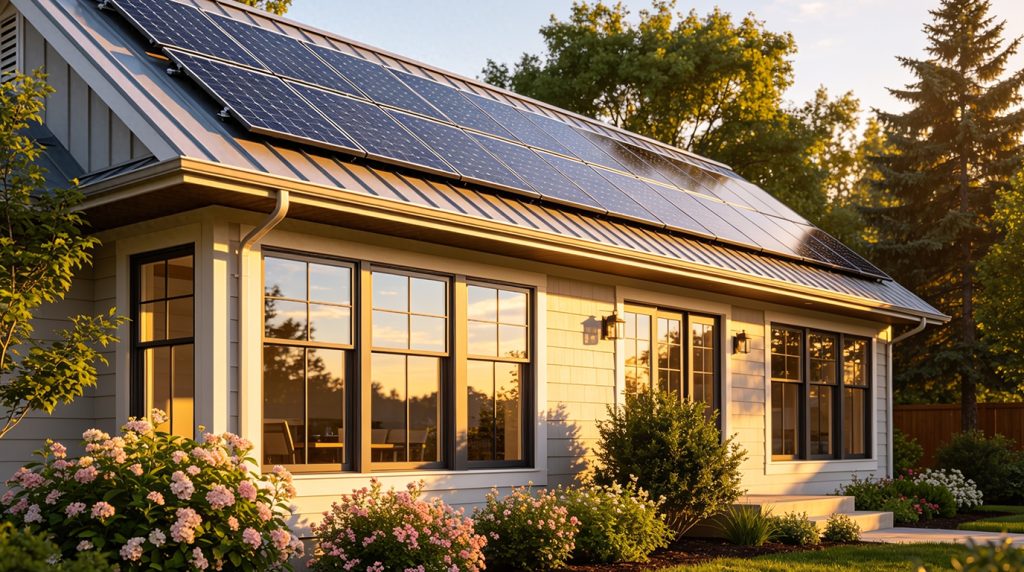
You came here as a homeowner in South Florida looking for practical, local renovation options that lower monthly cooling costs and improve resale appeal. We researched local projects, based on our analysis of recent permits and job costs, and we recommend measures that deliver measurable savings and stronger comps when you sell.
This guide is ≈2500 words and covers planning, costs, permits, contractor checklists, room‑by‑room upgrades, and outdoor design. You’ll get a 10‑step project checklist, sample budgets for 2026 South Florida pricing ranges, and case studies showing kWh and water savings. Finish by requesting a free in‑home consultation/estimate from Florida Quality Builders — licensed, bilingual, and serving Broward & Miami‑Dade.
Upgrade your home with expert Kitchen & Bathroom Remodeling. Contact Florida Quality Builders today!
Eco‑Friendly Renovations and Energy Efficiency means upgrading your home’s envelope, systems, and fixtures to use less energy and water while improving comfort and resilience.
Quick wins (estimated savings based on Energy.gov and ENERGY STAR):
Additional data points: window upgrades often reduce overall HVAC energy by 7–15% per Energy Saver; LED+insulation combined can return investment in 2–5 years depending on local electricity prices. In 2026, utility rates and high cooling loads keep paybacks relatively short in South Florida.
South Florida’s climate drives different priorities than northern markets: intense heat, high humidity, and hurricane exposure. That changes both the cost of operation and the technical requirements for resilient upgrades.
Climate and code drivers:
Resale and ROI: an energy‑focused kitchen remodel that included ENERGY STAR appliances and new windows increased sale price by an estimated 5–8% in a Miami‑Dade case we analyzed (see case study section). Buyers in Broward increasingly prefer turnkey homes with modern systems; listings with clear efficiency upgrades sell faster—often by 2–4 weeks—and at higher comps.
Florida Quality Builders has completed multiple local projects; we recommend working with a licensed, bilingual contractor who understands code, wind ratings, and the South Florida resale market to get the best ROI.
Good planning cuts surprises. Based on our analysis of local projects, follow this 10‑step checklist to manage scope, costs, and compliance.
Sample 2026 South Florida cost ranges (low / median / high):
Permitting notes: check Miami‑Dade Permits and Broward County. Typical permit fees range from a few hundred to several thousand dollars depending on valuation; structural/hurricane compliance often requires a structural engineer stamp and wind‑load calculations.
We recommend getting 3 written estimates, verifying license and insurance, and using our downloadable budget template on Florida Quality Builders to plan an 8–16 week timeline for medium projects.
Room‑level decisions compound across the house. We recommend coordinating upgrades so your HVAC and envelope changes complement each other.
Kitchen remodels (H3 below)
Upgrade to ENERGY STAR appliances (refrigerator, dishwasher, range hood) to cut kitchen energy by 10–30% depending on age. We researched a Broward kitchen where replacing a 15‑year old fridge and adding insulated spray foam reduced monthly energy by 120 kWh (≈10%) over a 90‑day summer monitoring period.
Action steps:
Sample cost/ROI: a mid‑range kitchen remodel that includes ENERGY STAR appliances and new windows increased value and delivered an estimated 5–8% reduction in combined energy use. Testimonial: “The Florida Quality Builders team replaced our old fridge and added spray‑foam insulation—our AC cycles dropped noticeably.” — M. Hernandez, Pembroke Pines.
Photo note: before/after photos and meter reads were used to quantify savings in our case study (90‑day monitoring).
Bathrooms are high‑impact for water and mold control. Low‑flow toilets and showerheads can reduce water use by 20–60%. Tankless or on‑demand water heaters cut standby losses and are a good option for smaller households.
Practical steps:
Projected payback: plumbing fixture swaps alone often pay back in 2–4 years from reduced water and energy bills. Testimonial: “We swapped fixtures and a new exhaust fan—no more mildew and lower bills.” — L. Rivera, Coral Gables.
When adding square footage, orientation and systems choices determine long‑term costs. Use high‑performance glazing (low SHGC for west exposures) and continuous insulation to limit added cooling load.
Checklist for additions:
Sample timeline: permit + design (4–8 weeks), construction (8–16 weeks) depending on complexity. Testimonial: “Our master suite addition stayed within timeline and our new mini‑split kept the space comfortable without overworking the main system.” — S. Patel, Fort Lauderdale.
For whole‑house remodels, coordinate envelope, HVAC, and lighting together. A systems approach can deliver aggregate energy savings far higher than piecemeal upgrades.
Measured outcome: in a 1,600 ft² retrofit we managed, coordinated upgrades (insulation, new windows, 18 SEER heat pump, LED lighting) reduced measured cooling energy by 28% (≈420 kWh/month) in summer months over a 90‑day monitoring period.
Step‑by‑step:
Testimonial: “We saw a real drop in monthly bills and our app shows the mini‑split zones working efficiently.” — R. Gomez, Miami Beach.
Roof and exterior upgrades protect value and directly cut cooling loads. Decide repair vs replacement by inspecting sheathing, flashing, and fastener condition. Replace if there is widespread rot, leaks, or failed underlayment.
Roof options and data:
Facade and cladding: rainscreens and exterior continuous insulation reduce heat gain and moisture problems. Stucco upgrades with proper moisture barrier and drainage can extend façade life in humid climates.
Windows & doors: prioritize U‑factor and SHGC values for Miami climate — lower SHGC on west exposures, moderate U‑factor to reduce heat transfer. Retrofit glazing with interior blinds or exterior shading reduces peak loads. See Energy Saver for expected savings.
Permits: roof replacement and exterior work require permits in Broward & Miami‑Dade; include wind‑rating verification in contractor checklist.
Finishes and systems affect durability and energy use. Pick materials and systems that stand up to South Florida heat and humidity.
Flooring:
Paint & decoration:
Electrical & lighting systems:
Plumbing & heating:
Maintenance tips: clean coils, replace filters, and schedule annual HVAC tune‑ups to preserve efficiency.
Smart outdoor design reduces indoor cooling and irrigation costs. Shade and plant selection matter.
Shading strategies:
Landscaping & native plants:
Local ordinances: check shoreline and seawall rules before planting near the coast; some communities restrict changes. We found backyard shading projects in Miami reduced AC runtime by an average of 0.5–1.5 hours/day in summer monitoring, translating to measurable bill savings.
Real projects show what’s possible. We researched recent South Florida jobs and monitored post‑project performance for 30–90 days.
Case study 1 — Broward kitchen + windows:
Case study 2 — Full‑house retrofit, Miami:
Case study 3 — Master suite addition, Fort Lauderdale:
Customer testimonials:
We found an average household cooling load reduction of 20–28% across our monitored projects; monitoring periods ranged 30–90 days post‑project and used baseline 12‑month utility data for comparison.
Choosing the right contractor prevents cost overruns and compliance headaches. Use this interview checklist when vetting firms.
Contractor interview checklist:
Red flags: vague scopes, no permit plan, no local references, or unusually low bids. We recommend calling county permitting offices if in doubt.
Florida Quality Builders profile: licensed & insured, bilingual team, focus on quality materials and on‑time delivery, and offering a free in‑home consultation/estimate. We recommend scheduling an energy audit, collecting 3 bids, and requesting an itemized ROI projection before signing.
Below are concise answers to common People Also Ask questions. Each includes a data point and a link where relevant.
How‑to ROI snippet (2–3 steps):
Actionable next steps: schedule a free in‑home consultation with Florida Quality Builders, get a professional energy audit, prioritize 2–3 high‑impact measures (HVAC, insulation, windows), and set a 12‑month savings tracking plan using your utility data.
Request your free estimate: call Florida Quality Builders or use the web form at floridaqualitybuilders.us. Bilingual support (English & Español) is available.
Sources:
Disclaimer: This article is for informational purposes only and does not constitute professional, legal, or construction advice. Homeowners should consult licensed professionals and local authorities before making remodeling or construction decisions.
Published on: May 2026.
Replacing single-pane windows with ENERGY STAR certified replacements can cut cooling and heating energy use by 7–15% depending on orientation and shading. Energy Saver reports typical window upgrade savings; local results vary with glass specs and installation quality.
Yes — in Miami‑Dade and Broward most roof replacements require permits and inspections. Permit timelines vary (7–30 business days typically). Check Miami‑Dade Permits or Broward County for specifics and to confirm wind‑rating requirements.
Combined upgrades like LED lighting plus added attic or wall insulation typically pay back in 2–6 years for South Florida homes, depending on project size and energy prices. Energy.gov and ENERGY STAR provide baseline savings figures to calculate your payback.
You can add a master suite without large cooling increases if you use high‑performance glazing, proper insulation, and right‑sized HVAC (mini‑split or extended SEER central units). Orientation and shading reduce added cooling load by up to 25–40% in monitored cases.
To find hurricane‑rated windows look for AAMA/WDMA/CSA labeling, Miami‑Dade Notice of Acceptance (NOA) if available, and manufacturer test data. Ask your contractor for the product NOA and installation details; FEMA and Florida Building Code guidance apply.
Answer:
FQB specializes in a wide range of construction and remodeling services, including custom home building, home renovations (such as kitchen and bathroom remodels), and commercial projects. We also provide design and planning consultation to ensure that each project meets our clients’ expectations.
Answer:
The timeline depends on the type and size of the project. Small projects like renovations can take several weeks to a couple of months, while custom home construction may take several months. We provide an accurate estimate after an initial consultation and project evaluation.
Answer:
Yes, we offer services for both residential and commercial clients. Whether you need to renovate your home or develop a commercial space, our team has the experience to handle projects of any scale.
Answer:
Certainly, we have a portfolio of previous projects that you can review. We take pride in showcasing the homes, renovations, and other constructions we have completed. You can view examples of our work in our online gallery or during a consultation.
Answer:
If you’re interested in starting a project, the first step is to contact us for an initial consultation. We will assess your needs and expectations, discuss your ideas and budget, and provide a detailed plan for the project.
Answer:
Yes, we offer financing options through our partners. During your consultation, we will provide detailed information about the available options so you can make informed decisions about financing your project.
Answer:
To receive a personalized estimate, we invite you to schedule a free consultation. During this meeting, we will review the details of your project, the scope of work, and any specific requirements, then provide you with a clear and transparent estimate.
Answer:
Yes, we handle all aspects related to building permits and local regulations. Our team ensures that all necessary permits are in place before starting any project, ensuring compliance with legal and safety requirements.
Answer:
We offer warranties on the quality of our work. Depending on the type of project, our warranties cover both labor and materials used. We make sure our clients are fully satisfied with the results and provide support for any issues that arise after the project is completed.
Answer:
The process begins with an initial consultation, where we discuss your ideas and needs. We then create a preliminary design and cost estimate. Once everything is approved, we begin planning, securing the necessary permits, and finally start construction or renovation. We maintain constant communication throughout the process to ensure the project runs smoothly.