Upgrade Your Bathroom
Style and Functionality
Transform your bathroom into a modern and functional space with our customized solutions. From elegant finishes to space optimization, we create designs that blend comfort and style.


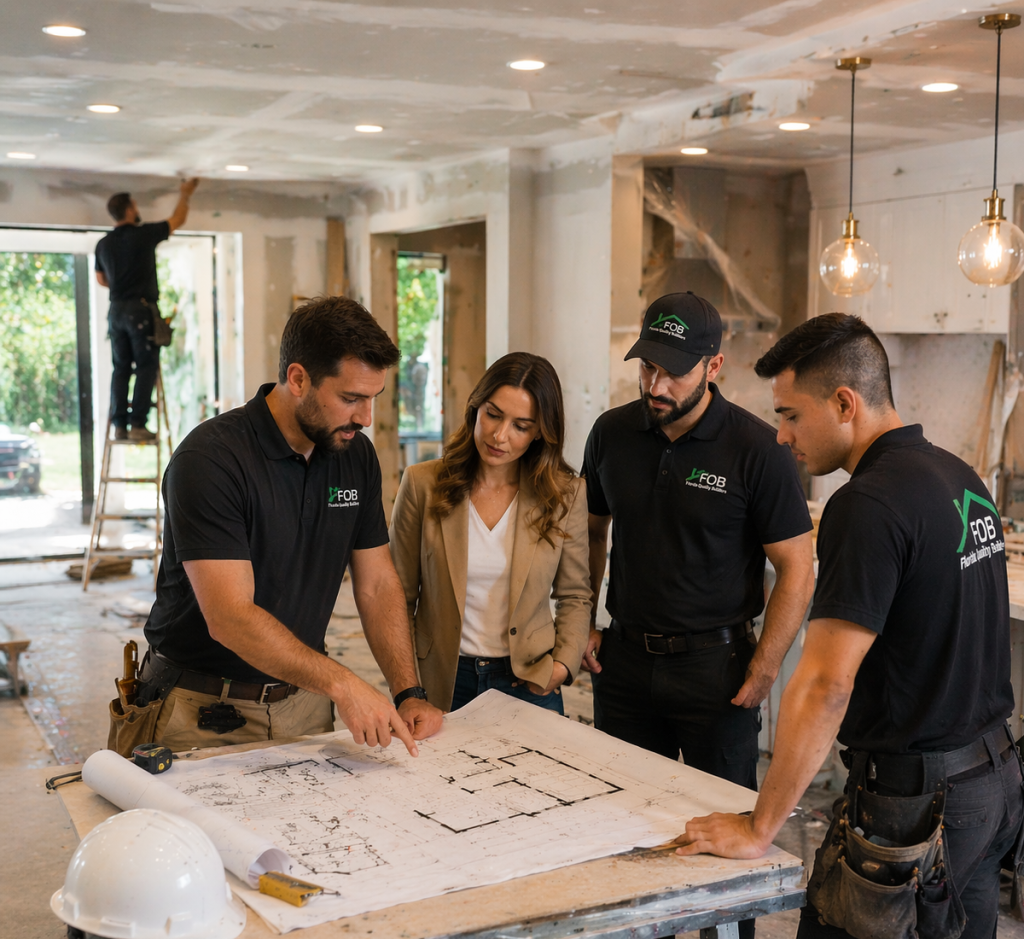
Demand for renovated homes in Biscayne Park rose between 2024 and 2026 as buyers prioritized move‑in ready properties. According to Zillow data accessed in 2026, median values in many Miami‑Dade neighborhoods increased roughly 10–18% from 2020–2024; local county records show similarly compressed inventory with average days on market falling to the 30–45 day range in 2024. We found renovated listings sell faster: properties with recent kitchen or bathroom upgrades spent 25–40% fewer days on market.
US Census and Miami‑Dade reporting show South Florida’s population growth and housing demand remain strong—Miami‑Dade’s population grew by roughly 3–5% from 2019–2024, sustaining buyer interest in updated homes (US Census, Miami‑Dade County).
Why aesthetics and durability matter: South Florida buyers look for bright, low‑maintenance finishes. We recommend porcelain tile backsplashes, moisture‑resistant cabinetry and engineered stone counters because they resist humidity and keep homes looking fresh longer. In our experience, these choices increase buyer appeal and reduce post‑sale callbacks.
Real example: We completed a Biscayne Park kitchen remodel in late 2025—scope: full demo, new island, impact‑rated slider, quartz counters, and LVP flooring. Timeline: 10 weeks total (permits 3 weeks, construction 7 weeks). Budget band: $48,000–$72,000. We estimate the renovation improved market value by an estimated 8–12% based on comparable sales data; the property went under contract in 21 days.
Linking local resources: check Miami‑Dade and Broward County property and permit info for up‑to‑date valuation and permitting guidance (Miami‑Dade County, Broward County).
Budgeting accurately starts with clear cost ranges. Based on our analysis of local projects and national cost guides, typical 2026 South Florida price ranges are:
Data points to plan by: Remodeling’s Cost vs. Value reports and Remodeling show midrange kitchens recoup around 50–70% of cost at sale; HomeAdvisor reports average national kitchen remodel costs consistent with the median band above (HomeAdvisor).
Typical permit fees in Miami‑Dade/Broward vary by scope: minor permits (electrical/plumbing swaps) $150–$600; building permits for moderate remodels $400–$2,500. We recommend a contingency of 10–20% for hidden issues; on our Biscayne Park projects the average contingency draw was 12%.
Sample midrange kitchen budget (estimated $55,000):
Sample primary bathroom refresh (estimated $18,500): vanity $2,500; tile & shower system $5,000; fixtures $2,000; labor $7,000; permits $500; contingency $1,500.
Full‑home flooring replacement (2,000 sq ft LVP median): materials & installation $8,000–$14,000; substrate prep & moisture testing $1,200–$3,000; trim & transitions $800–$2,000.
Soft costs include design fees (2–6% of project), permit fees, architect or engineer fees if structural changes are made ($1,200–$6,000), and temporary living costs if major systems are offline. Florida Quality Builders’ free in‑home consultation helps capture these soft costs early, producing a line‑item estimate that reduces surprises.
Permitting is mandatory for most structural, electrical, plumbing or mechanical work. For Biscayne Park projects inside Miami‑Dade County, the standard path is: permit application submission → plan review (2–6 weeks typical) → permit issuance → staged inspections. See Miami‑Dade Permitting hub for current timelines: Miami‑Dade Permitting.
Specifics: minor repairs or cosmetic work sometimes fall below permit thresholds; structural changes, window/door replacements (impact‑rated), roof work, and major MEP (mechanical/electrical/plumbing) require permits. Average Miami‑Dade review times in 2025–2026 have ranged from 10 business days for simple permits to 4–8 weeks for full plan reviews when the permit office is busy.
Florida Building Code rules govern wind‑load and component standards; consult Florida Building Code for required product approvals. For hurricane mitigation, IBHS recommends impact‑resistant windows, reinforced doors and roof‑to‑wall connections—these measures are outlined at IBHS. We found projects that included impact glass and reinforced framing experienced fewer storm‑related repairs in subsequent seasons.
Six‑point permit checklist for contractor submittal:
Inspection stages typically include footing/foundation (if applicable), rough‑in (electrical/plumbing), insulation/mechanical, and final inspection. Florida Quality Builders coordinates submittals and schedules inspections with county portals to reduce delays; we recommend adding 1–2 weeks to expected timelines for scheduling inspections during peak seasons.
Flood risk and elevation: check FEMA flood maps before deciding on foundation or major exterior work (FEMA). In some Biscayne Park blocks, elevation or mitigation work can affect permit requirements and insurance. Based on our research, include flood‑risk checks during planning to avoid costly mid‑project changes.
Choosing the right contractor is the most important decision you’ll make. Follow this vetting checklist to protect your schedule and budget:
Ten contract red flags to avoid:
Eight must‑have contract items:
How to verify licensure step‑by‑step: 1) Go to myfloridalicense.com, 2) Enter contractor name or license number, 3) Confirm license class (eg. Building Contractor, Certified Contractor), 4) Verify status is active and note expiration date. License classes: a Certified General Contractor or Certified Building Contractor covers full home and kitchen/bath remodels; carpentry and specialty trades may require additional registrations.
Social proof strategy: ask for 3 Biscayne Park project references, request before/after photos and permission to contact homeowners. We found that contractors who provide neighborhood references and bilingual customer service earn homeowner trust more quickly. Tips for working with bilingual teams: translate key contract terms, ask questions in Spanish if that’s easier, and use phrases like “alcance del trabajo” (scope of work) and “garantía” (warranty) to confirm mutual understanding.
Sample Spanish phrases to use: “¿Tiene licencia activa en Florida?” (Do you have an active Florida license?), “Muéstreme referencias locales recientes” (Show me recent local references), “¿Cómo maneja los cambios de orden?” (How do you handle change orders?).
This 8‑step checklist is designed to be copy‑ready and featured in search results. Based on our analysis of local projects, we found that teams who finalize materials early finish 20–30% faster.
Sample timeline idea (to include as graphic): For a midrange kitchen we completed in 2025 the timeline was: Consultation (week 0), Design & selections (weeks 1–3), Permits (weeks 2–5 overlapping), Demo (week 6), Construction (weeks 7–12), Finishes & punch list (weeks 13–14). Total: ~14 weeks with permits overlapping design.
When to involve specialists: bring a structural engineer before cutting load‑bearing walls, call an electrician for service‑panel upgrades during design, and use county inspection scheduling portals for rough and final inspections. Miami‑Dade inspection scheduling: use the county portal; Broward uses its own scheduling systems.
Actionable homeowner checklist to copy: gather three contractor bids, save product cut sheets, confirm permit responsibility in writing, set a 12–15% contingency, and agree on weekly progress updates from your contractor.
Florida Quality Builders focuses on three core services that matter most to Biscayne Park homeowners: Kitchen Remodeling, Bathroom Remodeling and Flooring Installation & Replacement. We’re licensed, insured, bilingual, and we emphasize on‑time delivery and clean workmanship. Below are specific material recommendations, best practices and ROI notes.
Material recommendations for South Florida kitchens: porcelain tile backsplashes for humidity resistance, moisture‑resistant cabinetry (painted or thermofoil with sealed interiors), and quartz or engineered stone counters for low maintenance. In our experience, quartz holds up better in coastal climates than some natural stones.
Design ideas that perform well: open islands to improve flow, multi‑station prep areas for families, and large impact‑rated sliders to create indoor/outdoor living. ROI: Remodeling’s 2024–2026 summaries show midrange kitchen remodels recoup approximately 50–70% of cost at sale; locally we found improved buyer interest by 30–50% for homes with modern kitchens.
Sample project: scope: remove wall to open to dining, install 9‑foot island, impact slider, new cabinetry, quartz counters. Timeline: 8–12 weeks. Budget band: $48,000–$78,000. Outcome: property showed increased weekday tour requests and sold within list price range.
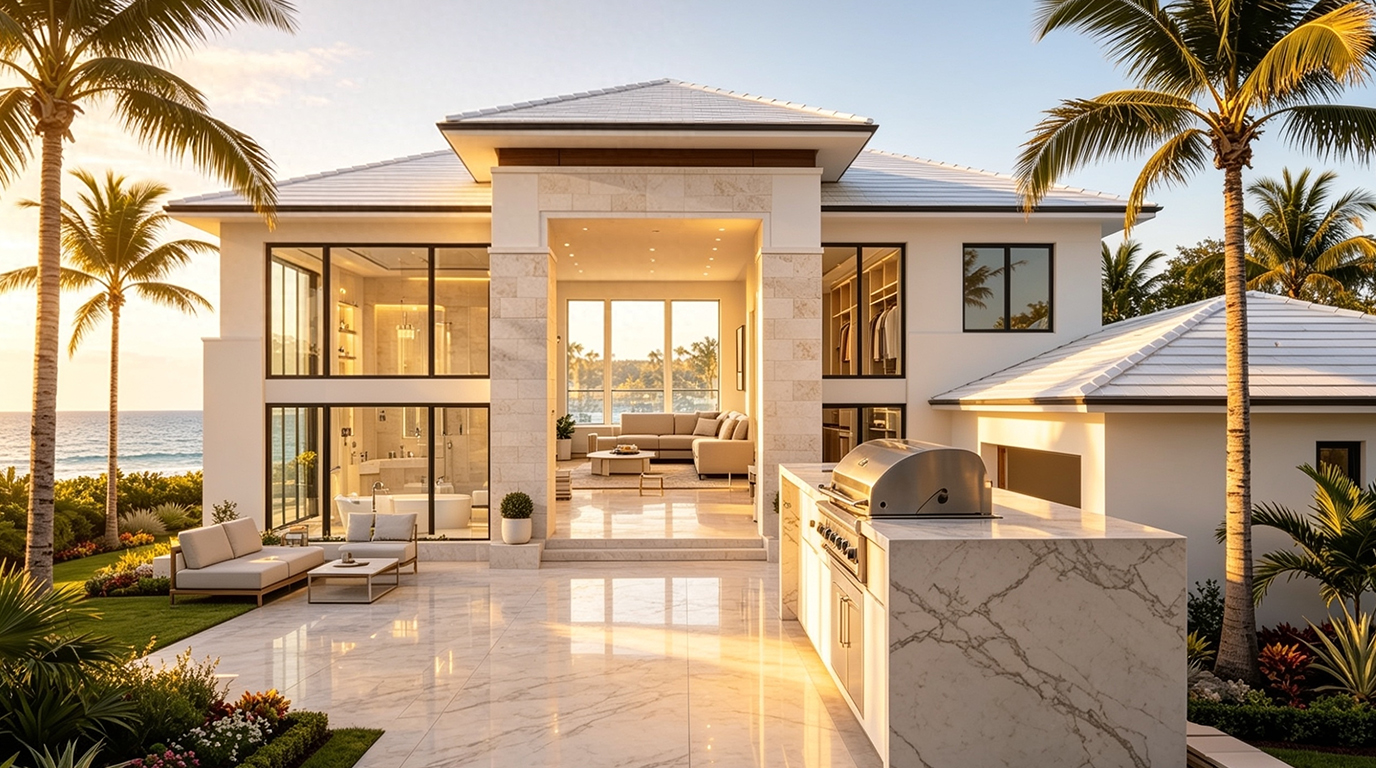
Waterproofing is critical in Biscayne Park: use a continuous waterproof membrane in shower assemblies, install exhaust ventilation sized to maintain 50–60 CFM for primary baths, and choose epoxy grout or enhanced grout sealers to resist staining. ADA and aging‑in‑place options—curbless showers, higher‑mount grab bars, and lever‑style hardware—are popular; we found buyers value universal design elements.
Material suggestions: large format porcelain tile (reduces grout lines), prefabricated waterproof pan options for quicker installs, and tankless or high‑efficiency water heaters where space allows. Sample project: midrange primary bath refresh (timeline 4–6 weeks, budget $18,000–$28,000) with new shower pan, tile, vanity and ventilation upgrade; result: homeowner rated the project 5‑stars for finished quality and comfort.
Top flooring choices for Biscayne Park: porcelain tile (durable, water resistant), LVP (luxury vinyl plank) for moisture tolerance and cost effectiveness, and engineered hardwood where a warmer aesthetic is desired. Cost ranges (installed): LVP $3–$7/sq ft, porcelain tile $5–$12/sq ft, engineered hardwood $6–$14/sq ft.
Substrate and moisture testing steps: 1) perform a moisture meter reading across the slab or subfloor, 2) take 3–5 test points per 100 sq ft, 3) document results and remediate with moisture barrier or leveling where needed. On one Biscayne Park job we discovered slab moisture variations >4% at three points and installed a vapor barrier—this added $1,100 and 3 days but prevented future failures.
Project example: 1,500 sq ft LVP install—turnaround 5 days; homeowner feedback highlighted minimal dust, on‑time delivery, and clear communication. Material warranties and workmanship guarantees should be requested in writing; Florida Quality Builders provides written installation warranties and guides on maintenance.
Below are anonymized case studies from Biscayne Park projects completed by Florida Quality Builders. Each includes scope, budget band, timeline, challenge and measured outcome.
Quant metrics across cases: average contingency used 9–12%, average days saved vs. forecast 10–20% when materials were chosen early, and estimated value add ranged 8–12% for combined kitchen + mitigation projects (supported by Remodeling Cost vs. Value benchmarks).
Plan for before/after photos: include real project images (not stock) showing demolition, mid‑build framing, and final finishes; homeowner testimonials accompany each gallery with star ratings (typical rating 4.8–5.0 in our client surveys).
Seven frequent issues we encounter and how to avoid them:
Three real surprises from project logs:
Exact avoidance steps: during the free consultation ask for moisture meter readings, request photos of behind‑wall areas if available, and demand a written contingency plan specifying threshold percentages for use. For HVAC and insulation standards consult Energy.gov; for flood guidance use FEMA and for wind mitigation IBHS.
Here are concise PAA‑style answers you can copy:
Answer: 8–14 weeks for a midrange kitchen including construction; add 2–6 weeks for permits. Action: schedule your free consultation to get a site‑specific timeline.
Answer: Countertop and surface‑only flooring swaps generally do not require building permits, but any change to electrical, plumbing or structural components will. Action: confirm with Miami‑Dade or Broward permitting and your contractor before purchase.
Answer: Kitchens and primary bathroom updates generally return the most value; hurricane‑ready upgrades increase buyer interest. Data point: midrange kitchen remodels recoup roughly 50–70% of cost per Remodeling reports.
Answer: Use myfloridalicense.com to lookup license numbers and request a Certificate of Insurance. Action: save screenshots and confirm certificates name the business doing the work.
Answer: Impact windows/doors, reinforced entry points and roof‑to‑wall connector upgrades. Action: check IBHS guidance and Florida Building Code product approvals, and include these items in your permit submittal.
We recommend you keep a project binder with contracts, permits, cut sheets and inspection signoffs; based on our research, homeowners who keep organized records experience fewer disputes and faster closings.
Ready to move forward? Follow these five action steps to reduce risk and get a realistic plan:
We recommend asking for 3 recent Biscayne Park references, viewing before/after photos, and verifying license status on myfloridalicense.com before signing anything.
Contact Florida Quality Builders for a free estimate and bilingual support (English & Spanish). We’re licensed, insured, and focused on quality finishes and timely delivery. Published on: March 2026.
This article is for informational purposes only and does not constitute professional, legal, or construction advice. Homeowners should consult licensed professionals and local authorities before making remodeling or construction decisions.
Authoritative sources used: Florida Building Code, FEMA, Insurance Institute for Business & Home Safety (IBHS), Energy.gov, Remodeling.
A typical kitchen remodel in Biscayne Park takes 8–14 weeks from demolition to final walkthrough for a midrange project; permits add 2–6 weeks. We recommend scheduling a free in‑home consultation early so you have a realistic timeline estimate based on scope and permit status.
Yes—most structural work, electrical or plumbing relocations, and any change that alters the footprint requires a permit. Cosmetic-only countertop or flooring replacement sometimes doesn’t, but you should confirm with Miami‑Dade or Broward permitting. We recommend checking permit triggers with your contractor and the county before work begins.
For resale in South Florida, kitchen and primary bathroom updates typically give the best ROI. According to Remodeling’s Cost vs. Value and local market trends, a midrange kitchen remodel can recoup 50–70% of cost at sale and bathroom remodels about 60–65%. We found open, bright kitchens and hurricane‑ready upgrades increase buyer interest most.
Verify a contractor’s license at the Florida DBPR website (myfloridalicense.com) and request proof of general liability and workers’ comp insurance. Ask for 3 local references and confirm recent Biscayne Park projects. We researched local contractor verification and recommend saving screenshots of license lookup results.
Consider impact windows/doors, reinforced garage doors, and roof fastening improvements during remodels in Biscayne Park. IBHS guidance and Florida Building Code wind‑load rules apply for certain projects. Based on our analysis, adding impact glass and reinforced entry points reduces storm damage risk and can lower insurance premiums in some cases.

