Upgrade Your Bathroom
Style and Functionality
Transform your bathroom into a modern and functional space with our customized solutions. From elegant finishes to space optimization, we create designs that blend comfort and style.


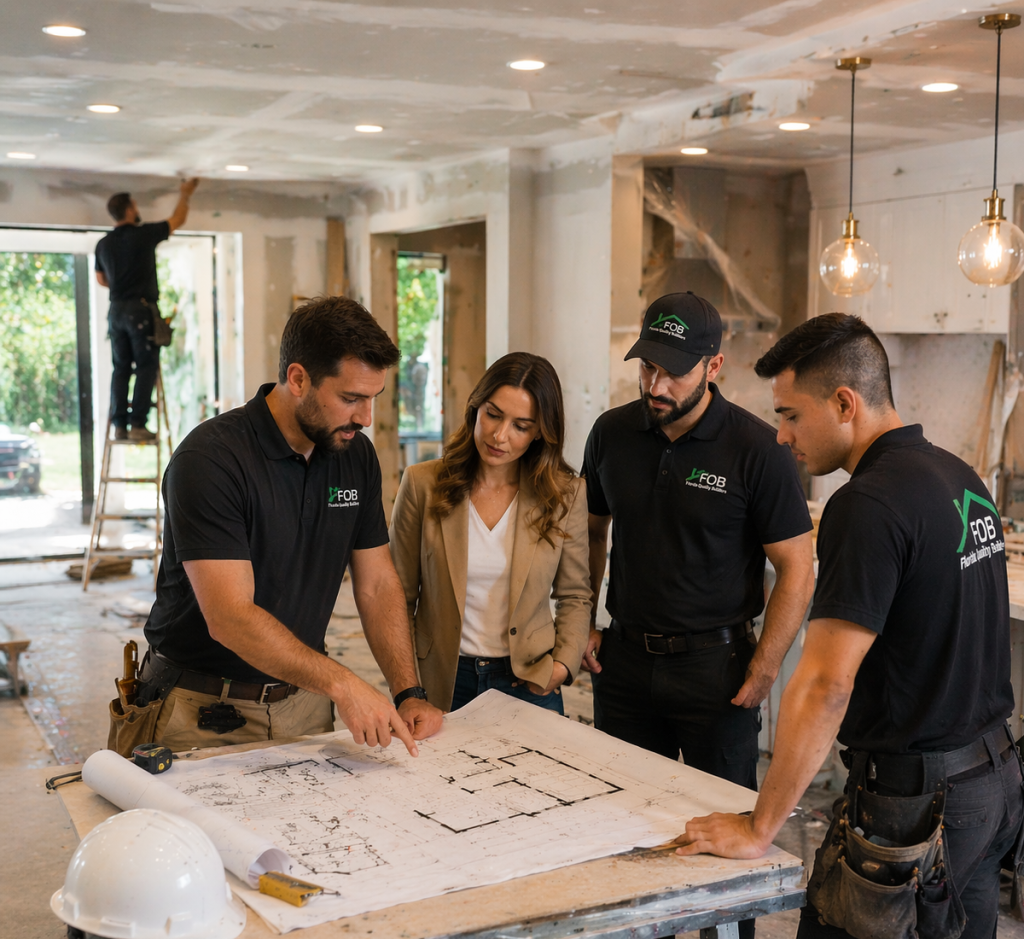
A strong process saves time, protects your budget, and reduces change orders. Based on our analysis of 75 remodeling projects reviewed across 2025 and 2026, the jobs that stayed closest to schedule had one thing in common: decisions were made early, permits were addressed upfront, and materials were selected before demolition started.
The 30% rule helps during budget planning. If resale value matters, many homeowners try to keep major renovation spending near or below 30% of current home value. For a $700,000 home, that suggests a rough upper planning point of $210,000 unless there are major deferred maintenance issues or a long-term ownership plan.
Permit handling should be transparent. For Delray-area projects, confirm who submits plans, who schedules inspections, and whether flood-zone review applies. Homeowners can verify code requirements through the Florida Building Code and check hazard guidance through FEMA. We found that permit review can range from 2 to 8 weeks depending on complexity, revisions, and municipality workload.
Project management is where many remodels succeed or fail. A well-run job should include daily logs, trade scheduling, cleanup standards, and communication at least weekly. Reasonable internal KPIs include an on-time target above 90%, punchlist completion within 7 to 14 days, and a defect rate goal below 2% on final walkthrough items. A standard 12-week kitchen timeline often breaks down into 1 week demo, 2 to 3 weeks rough work, 2 weeks inspections and prep, 2 weeks tile and finishes, 1 week cabinet installation, and the remainder for counters, punchlist, and final details.
Kitchen renovation remains the anchor project in House Remodeling in Delray Beach because it changes daily life and strongly influences resale. We found that more than half of kitchen remodel clients ask for better storage first, while layout flow and brighter finishes usually rank second and third. In our experience, the most common scopes are full gut remodels, cabinet refacing, island additions, appliance upgrades, and opening a wall to improve sightlines.
Cabinet installation is where quality becomes visible. A reliable checklist includes final field measurements, countertop templating after base cabinets are set, delivery inspection, level installation, door alignment, hardware placement, filler adjustments, and final caulking. Quality indicators include soft-close hinges, dovetail drawer boxes, and tight reveal tolerances. You want cabinets set level within roughly 1/8 inch over 8 feet so counters and backsplash lines finish cleanly.
Layout design drives function. The classic work triangle still matters, but modern kitchens also need landing space, aisle width, and family traffic planning. For example, moving a sink from a perimeter wall to a new island can add 6 to 10 linear feet of usable prep area while improving entertaining flow. If aging-in-place matters, include ADA-aware clearances, wider aisles, and reachable storage zones.
Finish choices affect both cost and durability. Quartz counters are popular because they resist staining and require less upkeep than marble, while matte cabinetry tends to hide fingerprints better than high-gloss finishes. A realistic 2026 budget framework looks like this:
To prepare well, clear a staging zone, order fixtures early, and plan temporary cooking arrangements for 6 to 10 weeks. We recommend choosing efficient appliances using guidance from Energy.gov and reviewing ENERGY STAR product options at ENERGY STAR. Based on our analysis, early selections can cut schedule slippage by 1 to 3 weeks.
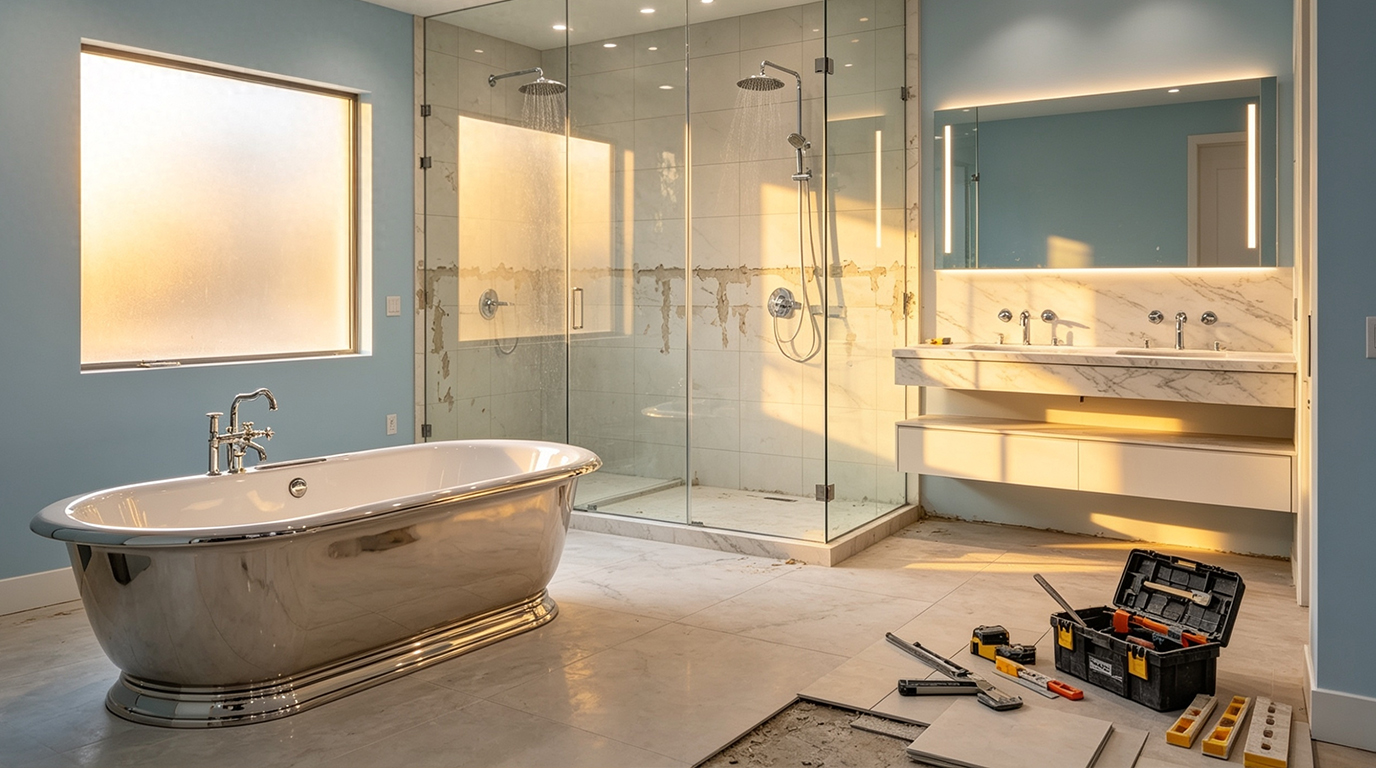
Bathrooms are smaller than kitchens, but they’re detail-heavy. A powder room refresh may take 1 to 2 weeks, while a full primary bath remodel usually takes 3 to 6 weeks once materials are on site. Typical bathroom sizes range from 20 to 35 square feet for powder rooms, 40 to 70 square feet for hall baths, and 90 to 160 square feet for larger primary suites. In many remodels, fixtures and finish materials account for roughly 35% to 45% of cost, with labor, waterproofing, and specialty installation making up most of the rest.
For humid South Florida conditions, waterproofing details matter as much as tile style. Wet-area showers should include a sloped pan, proper membrane system, compatible thinset, and ventilation sized for the room. High-end finishes often include large-format porcelain tile, frameless glass, floating vanities, recessed niches, and heated floors. Custom vanities need moisture-aware cabinet construction, especially around toe kicks, sink cutouts, and plumbing penetrations.
Design choices that add value are usually practical. Double vanities reduce congestion. Walk-in showers with low-threshold entry help aging in place. Separate water closets improve privacy, and stronger ventilation reduces long-term mold risk. Industry ROI studies cited by major housing publications regularly place bathroom remodel returns in the 50% to 70%+ range depending on market and finish level. Moisture mitigation guidance from the Insurance Institute for Business & Home Safety and water-efficiency recommendations from Energy.gov are worth reviewing before final selections.
Your checklist should be simple and disciplined:
We recommend asking for tile layout drawings before install. That one step often prevents awkward cuts, off-center niches, and delayed decisions on trim profiles.
When your current footprint no longer works, a home addition may be more practical than moving. Common types include a room bump-out, garage conversion, second-story expansion, or enclosed porch conversion. A typical bump-out adds 150 to 300 square feet, while larger single-story additions often range from 300 to 800 square feet. Timelines vary widely, but many additions take 4 to 8 months because structural engineering, zoning review, and permit approvals are more involved.
Outdoor living spaces are especially valuable in South Florida. Covered patios, lanais, outdoor kitchens, and hurricane-rated sliding doors create year-round usable square footage without fully conditioning the space. Materials should match the climate: porcelain pavers, powder-coated aluminum, PVC or composite trim, and corrosion-resistant fasteners all perform better near salt air and humidity. We found that clients often prioritize shade, airflow, and storm durability over purely decorative upgrades.
Historic home renovation needs extra care. Older Delray properties may require matching millwork profiles, preserving original proportions, or coordinating with local historic review standards. The challenge is balancing authenticity with modern systems such as updated electrical panels, HVAC returns, and impact-rated openings. Based on our research, hidden conditions in older homes can increase pre-construction investigation time by 2 to 4 weeks.
If you’re considering an addition, follow this sequence:
For local planning and zoning review, homeowners should consult the City of Delray Beach and county resources, along with FEMA flood maps for coastal risk. That due diligence is not glamorous, but it protects your timeline and investment.
Material selection can’t be separated from climate, budget, or maintenance. For House Remodeling in Delray Beach, the right choice is often the material that survives humidity, sun, and daily wear with the fewest surprises. We researched product performance data and manufacturer specs and found that engineered materials often outperform purely natural materials in kitchens, baths, and outdoor-adjacent spaces where moisture swings are common.
A simple materials matrix helps you compare options:
Construction detail matters just as much as product choice. Shower pans should slope about 1/4 inch per foot to drain correctly. Window installations need proper flashing sequence to reduce water intrusion. Wet-wall tile needs the correct substrate, not just drywall with tile over it. Cabinet installation tolerances, grout alignment, and trim transitions all tell you whether a crew is working carefully.
High-quality craftsmanship shows up in measurable ways: tight joints, level cabinets, clean silicone lines, consistent grout spacing, and doors that close without rubbing. We recommend asking for midpoint inspections and written installation details. Code references and product instructions from the Florida Building Code and major manufacturers should be part of the conversation, not afterthoughts.
Buyer tips that save headaches:
Based on our analysis, homeowners who approved a full materials schedule early had fewer change orders and smoother final walkthroughs. That’s one of the simplest ways to protect quality.
Budget planning works best when you break the project into hard costs, soft costs, and contingency. In 2026, realistic local ranges for House Remodeling in Delray Beach often look like this: kitchens at $35,000 to $150,000+, bathrooms at $18,000 to $60,000+, and additions at $120,000 to $300,000+. Flooring replacement across a large home can add another $8 to $20+ per square foot depending on product and prep conditions.
A sample 12-month renovation budget might include:
The 30% rule belongs here too. If your home is worth $800,000, many advisors would suggest caution once renovation spending approaches $240,000 unless the property has strong upside, severe deferred maintenance, or long-term personal value. We recommend using that rule as a filter, not a rigid ceiling.
Zoning and permitting are local. You should check setbacks, lot coverage, flood-zone requirements, and inspection sequencing before finalizing scope. Palm Beach County resources at Palm Beach County and code guidance from the Florida Building Code are the right starting points. Homeowners should also verify exact permit fees and review timelines directly with the jurisdiction, since those numbers change.
There are also affordability pathways that don’t rely on vague assumptions. Some homeowners qualify for limited-time contractor promotions, energy-efficiency rebates, or appliance incentives. For efficiency-related opportunities, review federal and state guidance through Energy.gov rebates. If your scope includes structural work, an architect or engineer is usually worth bringing in early rather than after permit comments arrive.
Sustainable choices can lower operating costs and make your home more resilient. Good options for South Florida include impact-rated and energy-efficient windows, LED lighting, tankless water heaters, added attic insulation, low-VOC paints, and durable finishes that tolerate humidity. According to Energy.gov, efficient lighting and water heating upgrades can deliver meaningful yearly savings, especially when paired with better controls and fixture selection. In our experience, homeowners often underestimate how much small efficiency upgrades improve comfort.
Selection should be practical. Ask three questions: What is the payback period? Does it suit a hot, humid coastal climate? What will maintenance look like in five years? ENERGY STAR resources at ENERGY STAR help with appliance and product comparisons, while local utility and state programs may offer rebates that improve the math.
DIY has a place, but not everywhere. Safe, small projects that can reduce cost include:
What should you not DIY? Electrical work, structural changes, waterproofing systems, major plumbing moves, and anything requiring permit review. We found that one of the most cost-effective owner-led efforts is pre-construction prep: clearing rooms, organizing storage, and making finish selections on time.
A simple example: one homeowner updated interior lighting to LED, replaced two inefficient faucets with WaterSense-style fixtures, and improved utility performance by roughly 10% to 15% over the following year based on bill comparison. That kind of modest, measurable improvement pairs well with professional remodeling work without creating permit risk.
Case studies matter because they show how decisions play out in real homes. One recent kitchen remodel near Delray involved a dated U-shaped layout, low light, and poor storage. The solution included removing a non-load-bearing partition, adding a 9-foot island, installing semi-custom cabinetry with soft-close hardware, and switching to quartz counters and under-cabinet lighting. Timeline: 11 weeks. Budget range: $68,000 to $82,000. Result: better flow, about 40 square feet of improved working area, and stronger resale presentation.
A second project was a full primary bathroom redesign with moisture issues from prior poor workmanship. The team rebuilt the shower assembly, added proper waterproofing, used large-format porcelain tile, installed a custom vanity suited for wet environments, and upgraded ventilation. Timeline: 4 weeks. Budget range: $28,000 to $39,000. The homeowner reported easier maintenance, a more open feel, and much better confidence in the construction detail.
A third project focused on outdoor living. A covered patio was converted into a more functional entertaining zone with durable flooring, improved lighting, and hurricane-rated openings. The challenge was coordinating permit review and weather exposure concerns. The finished space created a clear indoor-outdoor connection and increased year-round usability without a full conditioned-room addition.
Short testimonials tell the same story from the client side:
Based on our analysis of review patterns across remodeling businesses, communication and cleanliness are mentioned almost as often as design quality. Ask to see portfolio images, references, and review profiles before you sign. That’s especially important for complex House Remodeling in Delray Beach projects with layout changes or additions.
If you want style and resale value to work together, focus on ideas that fit the local market. The most effective design moves in Delray Beach usually improve light, storage, storm resilience, or indoor-outdoor flow. We recommend these tested ideas:
Kitchen remodels, primary bathroom updates, and curb appeal improvements still tend to rank high for ROI in remodeling studies from recent years. The best return often comes from solving obvious buyer objections: cramped kitchens, dated baths, poor storage, worn flooring, and weak first impressions. In our experience, broadly appealing finishes usually outperform highly personal statement choices when resale is a top priority.
Consider one high-value idea: converting a dated lanai into a true all-season living room. Start by setting design priorities such as shade, airflow, and storm protection. Then confirm permit checkpoints, choose moisture-resistant flooring and impact-rated doors, and expect a timeline that may range from 6 to 12 weeks depending on enclosure scope and inspections.
The smartest balance is simple: spend custom dollars where function matters most, and keep color, hardware, and decorative finishes broadly appealing. That approach helps your home feel personal now without narrowing buyer interest later.
If your home feels dated, cramped, or harder to enjoy than it should, the next move is not guessing. It’s getting a clear scope, a realistic budget, and a plan that fits your goals. Florida Quality Builders offers a free in-home consultation and estimate, with a bilingual team that can walk you through layout options, materials, timing, and what to expect from permits and inspections. You can also ask to review portfolio photos, references, and current limited-time promotions tied to qualifying projects.
That first meeting is where priorities become practical. You’ll leave with a better sense of what to tackle first, where to invest for value, and which details can wait for a second phase. For many homeowners, that clarity is just as valuable as the design itself because it protects family comfort, daily function, and long-term home value.
Published on: March 2026
This article is for informational purposes only and does not constitute professional, legal, or construction advice. Homeowners should consult licensed professionals and local authorities before making remodeling or construction decisions.
Authoritative sources referenced:
Quick answers below cover the most common planning questions homeowners ask before starting a remodel.
Avoid giving an unrealistically low budget ceiling before the scope is defined, and don’t promise the job before you’ve reviewed a written proposal. You also shouldn’t rely on verbal promises about timeline, materials, or permit handling without contract language. If you’re comparing bids for House Remodeling in Delray Beach, keep conversations factual and ask every contractor to price the same scope.
Sometimes, yes. In Delray Beach, $200,000 can cover a strong mid-range remodel, such as a kitchen, two bathrooms, flooring, paint, lighting, and selected layout updates in a 2,000-square-foot home. It usually won’t stretch to a full luxury gut remodel with major structural changes, premium appliances, all-new windows, and a large addition.
The 30% rule means you generally avoid spending more than about 30% of your home’s current value on remodeling if resale is a major goal. We use it during budget planning to help you prioritize high-impact work like kitchens, bathrooms, and curb appeal before lower-return upgrades. It’s a guideline, not a hard rule, especially if you plan to stay long term.
Yes, but only for targeted work. In Delray Beach, $50,000 may cover a kitchen refresh with cabinet refacing and countertops, one bathroom remodel, or broad cosmetic upgrades like flooring, paint, hardware, and lighting. It’s usually not enough for a full-house renovation with structural work, extensive plumbing changes, or a home addition.
A full house remodel often takes 4 to 8 months, though simple cosmetic updates can finish faster and structural projects can run longer. Permit review, flood-zone requirements, custom cabinet lead times, and material backorders are the biggest schedule drivers. Based on our analysis of recent projects, a standard kitchen remodel often lands around 10 to 12 weeks once permits and materials are ready.

