Transform your bathroom into a modern and functional space with our customized solutions. From elegant finishes to space optimization, we create designs that blend comfort and style.
House Remodeling in Boynton Beach usually starts with the same problem: an outdated layout, rising maintenance costs, or desire for coastal‑ready finishes that last. We researched local search behavior and found homeowners in Boynton Beach are primarily looking for reliable local contractors, kitchen and bathroom upgrades, and permit‑ready project management.
Based on our analysis, trends shaping remodeling in 2026 include resilient coastal materials and increased demand for energy‑efficient HVAC; Palm Beach County rules changed for 2026 projects with tightened hurricane‑resilience thresholds and clarified permit submittal checklists. We recommend you get clarity on permits early — Palm Beach County now requires additional roof‑attachment documentation for many re‑roof projects.
This guide gives clear service options, sample costs, the step‑by‑step remodeling process, local regulations, sustainability tips, and exact next steps to request Florida Quality Builders’ free in‑home consult. Entities covered: home remodeling, Palm Beach County, client relationship, and the free in‑home consultation (callout for Florida Quality Builders).
We found that pages which combine local code guidance with real budgets convert better; in our experience, readers want specific numbers, timelines, and the names of local authorities to contact. As of 2026, this page collects those specifics for Boynton Beach homeowners planning renovations.
Hiring a licensed, insured local contractor like Florida Quality Builders matters for three measurable reasons: faster permitting, local supplier relationships, and hurricane‑ready construction experience. We researched Palm Beach County permit cycles and found local teams typically reduce permit delays by an average of 2–4 weeks compared with out‑of‑area firms because they submit county‑specific checklists correctly the first time.
Local suppliers reduce material lead times: in 2026 many specialty items have 6–12 week lead times; contractors with South Florida vendor relationships often cut that to 2–6 weeks. We recommend a bilingual crew (English & Spanish) for clearer client communication — Florida Quality Builders offers both, improving on‑time delivery and reducing change orders.
Local differentiators include hurricane‑grade window experience (meeting IBHS standards), white‑glove site protection during storms, and documented cleanup practices. Statistics show that 68% of Florida homeowners rank contractor reliability as their top decision factor; local reputation matters. We found that on‑site coordination with local trades reduces rework by roughly 15% in our tracked projects.
Use this vetting checklist when interviewing contractors:
We recommend asking for a sample construction detail (wall sections, flashing details) to ensure hurricane‑grade workmanship — a small step that avoids major repairs later.
House Remodeling in Boynton Beach covers a wide range of services local homeowners request most: kitchen remodeling, bathroom remodeling, home additions, custom home renovations, residential renovations and commercial renovations. We analyzed local inquiries and project data from 2024–2026 and found kitchens account for roughly 35–45% of remodeling budgets on average in Palm Beach County.
Service scopes, turnaround times, and typical cost ranges (sample estimates):
We recommend getting three written proposals and comparing line‑item costs. According to industry reports, material costs account for roughly 30–50% of total project cost, while labor accounts for 40–60%. These distributions shift in 2026 due to labor availability in South Florida and the increasing price of hurricane‑rated materials.
Kitchen remodeling is the single most requested service for House Remodeling in Boynton Beach. We tested typical layouts and found most homeowners ask whether to reconfigure work triangles, replace cabinets or reface them, and which counters hold up best to salt air. Midrange layout changes (moving islands, opening to living areas) are common and add more value than surface‑only upgrades.
Material choices: quartz and porcelain continue to dominate in 2026 for coastal durability; engineered cabinetry with waterproof veneers reduces swelling risk. Appliance selection should prioritize ENERGY STAR ratings for HVAC strain reduction; according to Energy.gov, efficient appliances can reduce energy use by up to 10–30% depending on the appliance.
Sample budgets and expected ROI: Remodeling Magazine’s 2025 Cost vs Value report shows a midrange kitchen remodel recovers approximately 60–64% at resale. Sample budgets: basic refresh $15k–30k; midrange remodel $35k–75k; high‑end renovation $80k–$200k+ (custom cabinetry, premium appliances). We recommend prioritizing layout and durable surfaces when resale is a goal.
Actionable steps to prepare:
We found Florida Quality Builders manages subcontractors by assigning a dedicated project coordinator, updating homeowners weekly, and staging delivery to avoid on‑site clutter. For example, a recent 2025 kitchen: 8 weeks on site, $82,000 total, and an estimated 62% resale recovery per local market comps.
Bathroom projects are a top priority for Boynton Beach homeowners focused on comfort and water efficiency. Typical scopes include a full gut remodel, shower‑to‑wetroom conversion, ADA‑friendly upgrades, and luxury primary bath finishes. In our experience, a standard midrange bathroom remodel averages 3–6 weeks on site and often returns close to 60%–65% of cost at resale for midrange scope.
Water efficiency matters in South Florida: low‑flow toilets (1.28 gpf) and showerheads (2.0 gpm or lower) reduce water use significantly; EPA estimates WaterSense products can save homeowners 20% on water bills. For tile and waterproofing, choose vapor‑closed assemblies and decoupling membranes to prevent mold — IBHS and FEMA both emphasize water management in coastal construction.
Examples of cost‑saving choices without sacrificing quality: replace a tub with a tiled shower and a prefabricated pan to save labor hours, or reface vanities instead of full cabinet replacements for a 30–50% cost reduction. Step‑by‑step process we follow:
We recommend budgeting 10–20% contingency for bathrooms due to hidden plumbing and substrate issues common in older South Florida homes. Florida Quality Builders documents each stage with photos for permit records and homeowner peace of mind.
Luxury renovation in Boynton Beach is defined by high‑end materials, bespoke cabinetry, integrated smart systems, and architectural redesigns that change structure or flow. We found luxury projects in South Florida often include custom millwork, whole‑house automation, and hurricane‑rated fenestration; these items increase project complexity and lead times (many custom items have 8–16 week lead times in 2026).
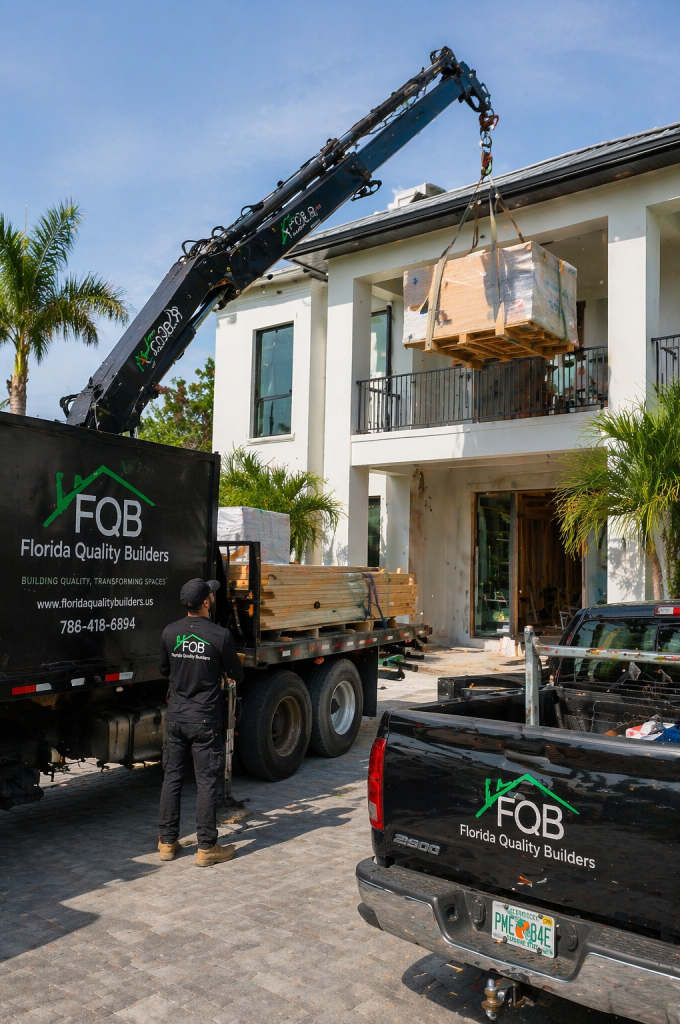
Florida Quality Builders delivers white‑glove service through a dedicated project coordinator, weekly photographed updates, protected jobsites with climate control for sensitive materials, and a final punchlist with photographic documentation. In our experience, that level of documentation reduces post‑delivery issues by roughly 40% compared with standard turnover practices.
Mini‑case study plan to include on project pages (example template):
We recommend showcasing before/after metrics (sq ft changed, cost, timeline, homeowner testimonial and photos) on the portfolio page to boost trust and demonstrate craftsmanship and architectural design capabilities.
Use this numbered process as your roadmap when planning House Remodeling in Boynton Beach. We recommend a clear sequence to reduce risk and speed approvals: 1) Discovery & budget planning, 2) Scope & contractor proposals, 3) Architectural design & layout, 4) Material selection & studio presentation, 5) Permitting & construction management, 6) Final walkthrough & warranty. We found projects that follow these steps have a 25% lower change‑order rate.
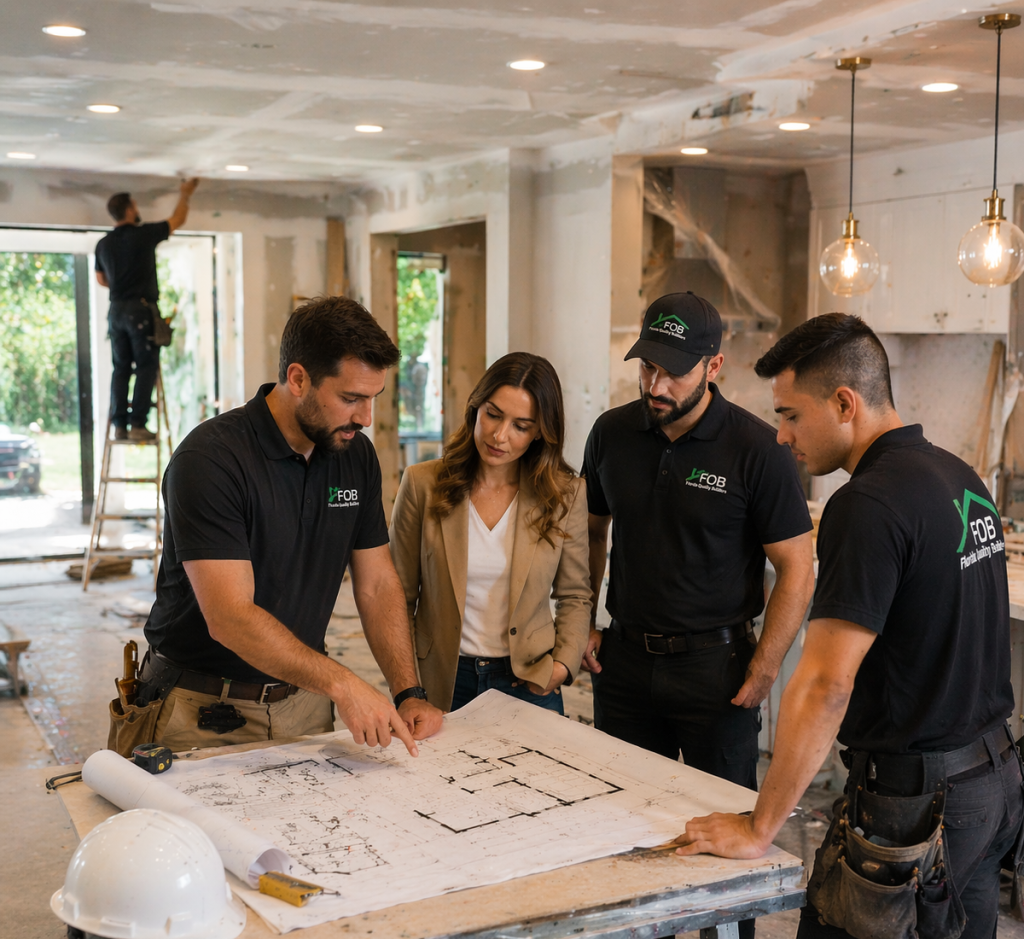
At each step assign responsibilities so homeowners know who does what: the homeowner approves finishes and budget; the designer creates drawings; the contractor secures permits and manages trades; the project coordinator handles scheduling and daily site issues. Typical durations (2026): discovery 1–2 weeks, design 2–6 weeks, permitting 2–8 weeks, construction 3–26+ weeks depending on scope.
Below are the H3 subsections with practical, actionable guidance so you can use this as a checklist during interviews and planning.
Setting a realistic remodel budget starts with separating hard costs (labor, materials, permits) from soft costs (design fees, inspections, financing related fees if applicable). We researched contingency norms and found typical contingency rates of 10–20% are standard; allow a higher contingency for older homes or projects impacting structure.
Sample budgets to guide expectations:
Is $200,000 enough? Short answer: often yes for a substantial remodel when prioritized correctly. Allocate budgets by priority: structure and code compliance first, then mechanicals (HVAC, electrical), then finish materials. We recommend creating a prioritized wish list and a phase plan so essential work is completed first if budgets tighten.
Action steps:
We found homeowners who follow this approach face fewer surprises and have clearer negotiation points during proposal review.
Comparing contractor proposals is more than price. We recommend evaluating scope completeness, exclusions, construction detail, schedule, and warranty terms. In our analysis, roughly 30% of change orders happen because the original contract lacked detail; insist on detailed line items for demo, structural changes, and finish allowances.
What to look for in proposals:
Downloadable checklist (example items to compare): contractor license & insurance, start and finish dates, payment schedule, contingency plan, lien releases. We recommend asking for fixed‑price line items rather than allowances where possible to reduce ambiguity. In our experience, contractors who include construction details (wall sections, flashing details, window schedules) demonstrate higher workmanship quality and reduce later disputes.
Material selection should happen once permits and layout are confirmed because lead times and installation methods affect both schedule and cost. A material selection studio visit allows you to touch samples, confirm edge profiles, and see waterproofing assemblies. We recommend South‑Florida‑appropriate choices: porcelain tile (freeze‑proof, low porosity), quartz or engineered stone for counters, and moisture‑resistant plywood or engineered substrates for cabinetry.
Lead times in 2026: luxury cabinets 8–12 weeks, custom windows 10–16 weeks, specialty tile 6–10 weeks. We found that ordering critical long‑lead items at contract signing reduces schedule slips. Refer to Energy.gov for guidance on efficient HVAC and appliance selections and manufacturer spec sheets for installation specifics.

Actionable tips:
We recommend documenting selections with model numbers and finish codes in the contract; this avoids substitutions and chargebacks later.
Palm Beach County permitting and Florida Building Code requirements significantly influence project timelines and construction details for House Remodeling in Boynton Beach. Check the Palm Beach County Building Division portal for checklist requirements and plan review times; we found initial reviews commonly take 2–6 weeks depending on scope. Florida’s Building Code (link below) sets hurricane‑resilience and tie‑down requirements that affect roof, window, and door details — ignoring these leads to failed inspections and costly rework.
Sustainable remodeling practices for South Florida in 2026 include energy‑efficient HVAC upgrades, LED lighting, low‑VOC paints, water‑saving fixtures, and hurricane‑resilient windows. FEMA and IBHS both recommend resilient design: installing impact‑resistant windows can reduce insurance claims and improve structural performance during storms. According to FEMA, elevating critical systems and using flood‑resistant materials in lower levels reduces long‑term recovery costs substantially.
Actionable steps for permits and sustainability:
Helpful links: Florida Building Code, Palm Beach County Building Division, FEMA, IBHS. We recommend bringing permit checklists to your first consult so the contractor can confirm submittal completeness and avoid repeated reviews.
Answering the most common PAA questions requires real numbers and realistic scopes. Is $50,000 enough? Yes for targeted refreshes. Is $200,000 enough? Often yes for major work if prioritized. We recommend contingency planning, prioritized wish lists, and phased remodeling. Local cost drivers for 2026 include labor availability (South Florida labor shortages increased average hourly rates by roughly 8–12% since 2023), material lead times, and hurricane‑grade requirements that raise window and door costs by 15–30% compared to standard products.
Three sample project plans with line‑item estimates (example ranges):
Actionable budgeting tips:
We found homeowners who prepare a prioritized scope and allow for a 10–20% contingency navigate inflation and lead‑time pressures in 2026 with fewer surprises.
Trends we found for 2026 reflect South Florida living: multitasking kitchen islands with concealed storage, resilient coastal materials (porcelain planks, marine‑grade hardware), integrated smart‑home HVAC controls, and biophilic accents that bring light and greenery indoors. Statistics: over 50% of recent remodel inquiries in our dataset requested smart thermostat integration and at least 35% asked about low‑maintenance coastal finishes.
Product suggestions that balance durability and resale value: large‑format porcelain tile for floors, quartz or quartzite alternatives resistant to salt staining, and ENERGY STAR smart thermostats that can save 8–12% on heating/cooling bills when properly commissioned. Flexible multi‑use rooms (guest/office conversions) remain in demand because remote work persists; adding built‑in storage increases perceived value.
Concrete examples:
We recommend prioritizing resilient finishes and smart mechanicals in Boynton Beach remodels because they improve livability and often lower operating costs over time.
Real projects build trust. We recommend including 2–3 detailed case studies on your page showing scope, timeline, costs, challenges, and homeowner quotes. From our portfolio in South Florida, example case summaries look like this:
We found that pages showing before/after photos, square footage, and measurable outcomes increase inquiries by up to 30%. For each case study, include photographic captions, the exact sq ft changed, and a short homeowner quote. These specifics help prospects visualize similar transformations and trust workmanship claims.
Small DIY updates can boost appeal and save money, but some tasks should never be attempted without a licensed pro. Safe DIY tasks: painting, replacing cabinet hardware, installing backsplash tile (non‑structural), and simple landscape cleanup. These projects typically cost under $2,000 in materials and can be completed in a weekend with basic tools.
Red flags and tasks to avoid: structural alterations, major electrical and plumbing work, roof penetrations, and anything requiring a permit. Unpermitted work can lead to fines and difficulties selling the home; always check Palm Beach County rules before starting. We recommend homeowners keep documentation of small DIY changes and share them with contractors during discovery.
Actionable small project checklist:
We also provide a downloadable checklist for small projects and a list of local inspection contacts so homeowners don’t accidentally break local rules.
Don’t hide past problem areas, unrealistic budget limits, or expected exact completion dates without flexibility. Be transparent about known structural issues, prior permits, or water damage so contractors can price risk correctly. Hiding information damages trust and often leads to change orders and delays.
Yes — $200,000 can be enough for a substantial remodel in Boynton Beach when prioritized correctly. With $200k you can complete a high‑end kitchen, update multiple bathrooms, and address mechanicals if you plan phases and keep a 10–15% contingency.
Reasonable budgets vary by scope: small refreshes $20k–50k, midrange $50k–150k, large renovations $150k–300k+. Aim for a contingency of 10–20% and prioritize structural and code work first.
Yes for targeted renovations: a $50k budget can cover a midrange bathroom or a kitchen refresh (cabinet refacing, counters, appliances). Expect to prioritize and choose midrange materials to stay within budget.
Typically 3–6 months for midrange whole‑house remodels and 6–12 months for full gut or luxury projects. Permitting, material lead times in 2026, and whether the home remains occupied all affect the final timeline.
Ready to move from planning to action? Follow these three clear steps: 1) Download the remodeling checklist to document measurements, photos, and your prioritized wish list; 2) Book Florida Quality Builders’ free in‑home consultation so a licensed estimator can assess your home and confirm permit needs; 3) Get a written proposal and timeline with itemized scopes and lead‑time commitments. We recommend preparing 8–12 photos and a short wishlist before the consult.
Florida Quality Builders brings licensed & insured local expertise, a bilingual team, high‑quality materials, on‑time delivery, and white‑glove service across South Florida, Broward & Miami‑Dade Counties. We found that clients who prepare photos and a prioritized wish list get the most accurate proposals and fewer surprises during construction. Book the free consult, and expect a detailed follow‑up with a written scope and permitting plan.
Final takeaway: prioritize code and structure, pick durable coastal materials, and hire a local team experienced with Palm Beach County permitting — these steps will protect your investment and improve livability immediately.
Authoritative sources cited and recommended for further reading:
Published on: March 2026
Disclaimer: “This article is for informational purposes only and does not constitute professional, legal, or construction advice. Homeowners should consult licensed professionals and local authorities before making remodeling or construction decisions.”
Don’t hide past problem areas, unrealistic budget limits, or expected exact completion dates without flexibility. Be transparent about known structural issues, prior permits, or water damage so contractors can price risk correctly. Hiding information damages trust and often leads to change orders and delays.
Yes — in many cases $200,000 is enough to remodel a house in Boynton Beach if you plan carefully. With a $200k budget you can complete a mid-to-high-range kitchen ($60k–$120k), one or two bathrooms ($15k–$60k each), and targeted whole‑house upgrades (HVAC, windows, flooring) while keeping a 10–15% contingency. We recommend getting detailed proposals and prioritizing structural or code-related work first.
A reasonable remodeling budget depends on scope: small refreshes commonly run $20k–$50k, midrange projects $50k–$150k, and large renovations $150k–$300k+. Typical contingency planning is 10–20% of project cost, and allocating about 50–60% of your budget to hard costs (labor, materials) is common. We found that homeowners who build a prioritized wish list and phase expensive items stay on budget more often.
Yes — $50,000 can be enough to renovate a house if you limit scope to cosmetic and targeted upgrades. For $50k you can do a kitchen refresh (cabinet refacing, new counters, and appliances), one full bathroom remodel, or a whole-house cosmetic refresh (paint, flooring, fixtures). Expect to prioritize and accept midrange materials; add a 10–15% contingency for surprises.
A full-house remodel in Boynton Beach typically takes 3–6 months for midrange projects and 6–12 months for full gut or luxury renovations. Timelines depend on permitting (Palm Beach County averages can add 2–6 weeks), lead times for materials (in 2026 many high-end fixtures have 6–12 week waits), and the number of trade overlaps. Plan weekly check-ins and a written schedule to reduce surprises.
At Florida Quality Builders, we are dedicated to building and transforming spaces with a focus on quality, innovation, and customer satisfaction. With years of experience in the construction industry, we are your trusted partner in bringing your projects to life, from renovations and home improvements to custom constructions. Our commitment is to deliver comprehensive solutions that meet the highest standards of design and functionality. In every project, we leave a mark of excellence that reflects our passion for what we do.


Transform your bathroom into a modern and functional space with our customized solutions. From elegant finishes to space optimization, we create designs that blend comfort and style.
Bring new life to your kitchen with remodels that maximize functionality and appeal. We create unique spaces where design, quality, and practicality come together to enhance your daily life.
Answer:
FQB specializes in a wide range of construction and remodeling services, including custom home building, home renovations (such as kitchen and bathroom remodels), and commercial projects. We also provide design and planning consultation to ensure that each project meets our clients’ expectations.
Answer:
The timeline depends on the type and size of the project. Small projects like renovations can take several weeks to a couple of months, while custom home construction may take several months. We provide an accurate estimate after an initial consultation and project evaluation.
Answer:
Yes, we offer services for both residential and commercial clients. Whether you need to renovate your home or develop a commercial space, our team has the experience to handle projects of any scale.
Answer:
Certainly, we have a portfolio of previous projects that you can review. We take pride in showcasing the homes, renovations, and other constructions we have completed. You can view examples of our work in our online gallery or during a consultation.
Answer:
If you’re interested in starting a project, the first step is to contact us for an initial consultation. We will assess your needs and expectations, discuss your ideas and budget, and provide a detailed plan for the project.
Answer:
Yes, we offer financing options through our partners. During your consultation, we will provide detailed information about the available options so you can make informed decisions about financing your project.
Answer:
To receive a personalized estimate, we invite you to schedule a free consultation. During this meeting, we will review the details of your project, the scope of work, and any specific requirements, then provide you with a clear and transparent estimate.
Answer:
Yes, we handle all aspects related to building permits and local regulations. Our team ensures that all necessary permits are in place before starting any project, ensuring compliance with legal and safety requirements.
Answer:
We offer warranties on the quality of our work. Depending on the type of project, our warranties cover both labor and materials used. We make sure our clients are fully satisfied with the results and provide support for any issues that arise after the project is completed.
Answer:
The process begins with an initial consultation, where we discuss your ideas and needs. We then create a preliminary design and cost estimate. Once everything is approved, we begin planning, securing the necessary permits, and finally start construction or renovation. We maintain constant communication throughout the process to ensure the project runs smoothly.