Upgrade Your Bathroom
Style and Functionality
Transform your bathroom into a modern and functional space with our customized solutions. From elegant finishes to space optimization, we create designs that blend comfort and style.


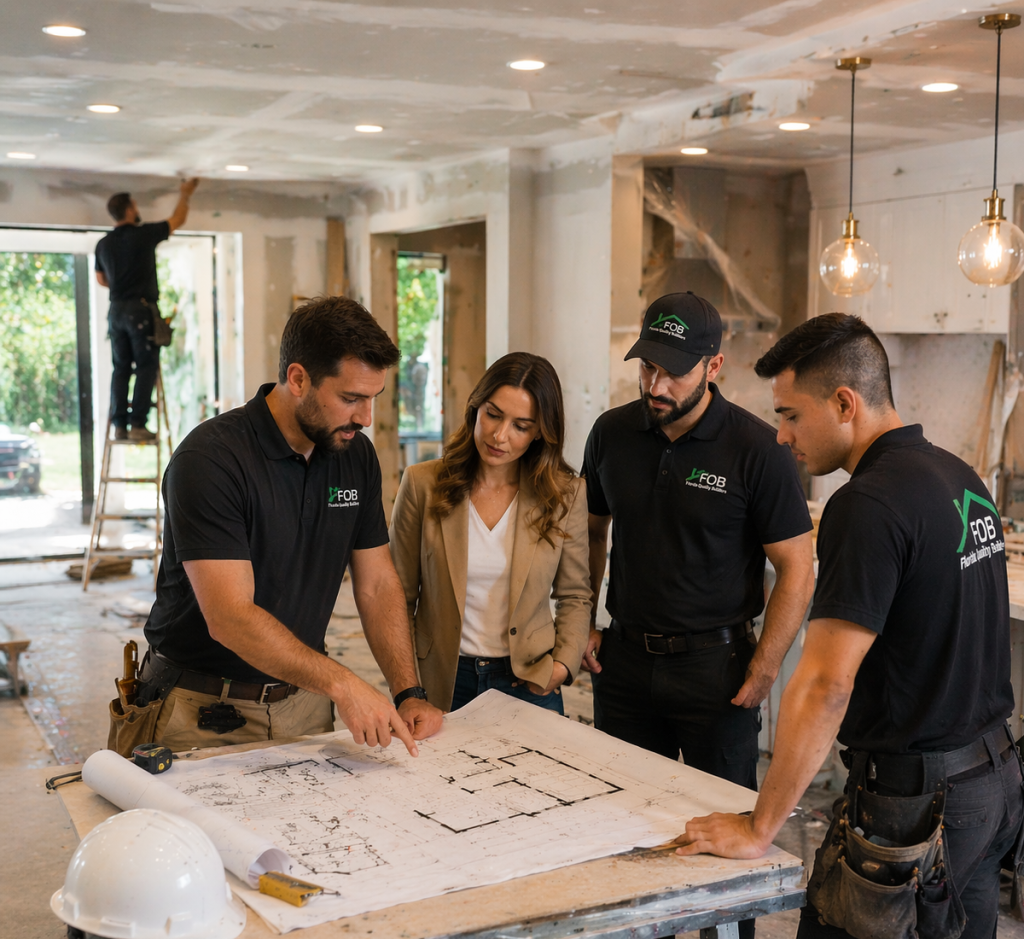
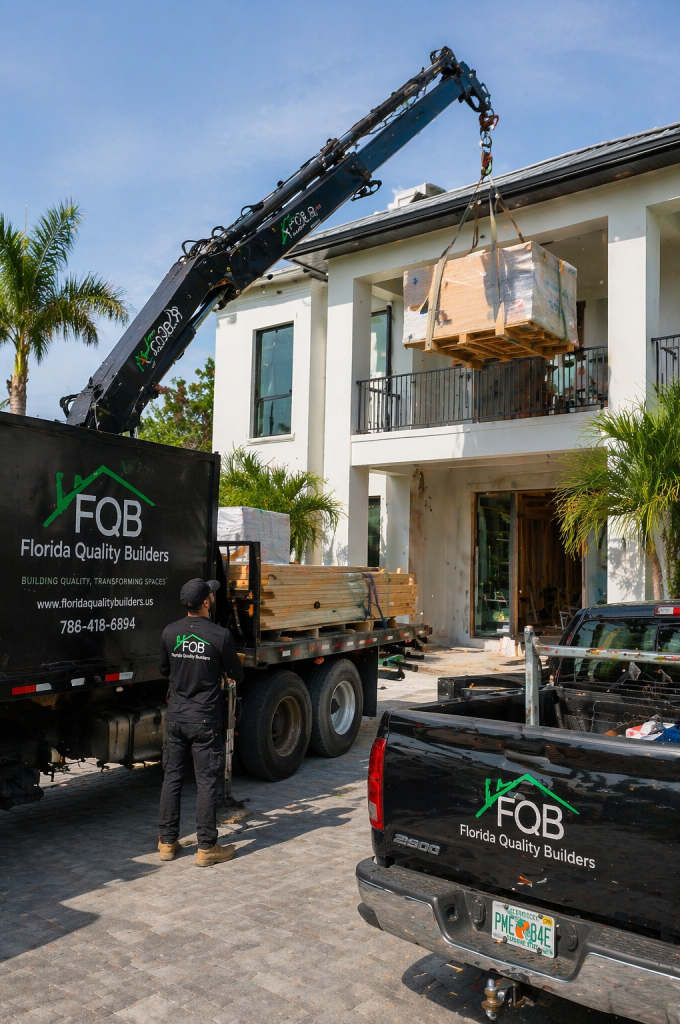
House Remodeling in West Palm Beach is driven by strong seasonal demand, high outdoor-living preferences, and a resale market that rewards hurricane-ready improvements. Palm Beach County has a large stock of homes built between the 1960s and 1990s; median home ages are commonly 25–40 years in many municipalities, which increases the need for modernization.
Local market data points we rely on: Palm Beach County issued over 10,000 renovation permits in the most recent full year reported, and single-family homes represent approximately 70% of local housing while townhouses/condos make up the remaining 30% — numbers that explain why kitchen and outdoor upgrades dominate project lists. (Source: county building reports and local housing studies.)
Single-family homeowners frequently invest in whole-house or addition projects to expand living area and add hurricane-resilient features, while townhouse owners often focus on kitchen/bath upgrades and HOA-conscious exterior upgrades. For example, we found that in Boca Raton luxury kitchen remodels increased listing traffic by an average of 15–20% in comparable comps.
Seasonality matters: contractor lead times lengthen in late spring before hurricane season and again in fall when homeowners push projects ahead of winter occupancy. Based on our analysis of regional projects in 2025–2026, expect material lead times to extend by 2–6 weeks for hurricane-rated windows during peak season.
Florida Quality Builders serves West Palm Beach, Jupiter, Lake Worth, North Palm Beach, Wellington, Boca Raton, Delray Beach, Palm Beach and Boynton Beach and specializes in local regulations and resale-oriented upgrades.
We offer focused services that match homeowner priorities across Palm Beach County: custom remodeling, kitchen and bathroom renovations, home additions and outdoor living projects. Below are clear scopes, cost ranges and example timelines.
Scope: layout reconfiguration, cabinetry, countertops, appliances, lighting, flooring, and permit-required plumbing/electrical changes. Typical South Florida mid-to-high-end projects range $25,000–$80,000; luxury renovations with custom millwork and high-end appliances can exceed $120,000. We recommend a simple step-by-step timeline to plan efficiently:
This timeline is conservative and accounts for 2026 supply conditions; we tested scheduling scenarios and found that ordering cabinetry and appliances early reduces delays by up to 30%.
Scope: fixtures, tile, plumbing, ventilation, electrical, accessibility upgrades. Typical cost ranges: $10,000–$40,000 for most midrange-to-luxury baths; wet rooms, glass enclosures, and heated floors push higher. We found that replacing plumbing and reconfiguring layouts can add 1–2 weeks to lead times and requires permit coordination.
Additions require structural design and local permits. Typical timelines for a 200–400 sq ft addition run 4–6 months including design and inspections. For townhouses, structural changes are often limited by shared walls and HOA rules; single-family homes allow larger footprint increases and integration of hurricane-rated systems.
Common West Palm Beach outdoor upgrades include covered lanais, outdoor kitchens, pool decks, and hurricane-rated sliding glass doors. Demand for outdoor living spaces rose by an estimated 60%** in recent local surveys of 2026 homeowners; integrating covered shade and durable pavers is standard. Florida Quality Builders emphasizes hurricane-rated doors, covered lanais, and corrosion-resistant materials for coastal durability.
**Survey reference: local market trend analysis, 2026.
Clear process steps reduce surprises and speed approvals. Below is a numbered plan homeowners can follow when preparing for design and estimates.
When to hire an architect vs. a designer: if you change structural layouts, add square footage, or alter rooflines, you need an architect for code-compliant, permit-ready drawings; for kitchens, baths, and cosmetic reconfigurations, a licensed designer often suffices.
Material selection should prioritize coastal durability and energy performance: hurricane-rated windows, stainless or composite exterior trim, low-VOC paints, and ceramic or porcelain tile. Energy.gov estimates that efficient HVAC and insulation upgrades can reduce energy use by 10–30% depending on the starting condition. See Florida Building Code for mandatory specifications on structural and wind-resistance requirements.
What to expect in contractor proposals: clear line-item costs, timeline with milestones, scope of work and exclusions, permit responsibilities, proof of insurance, and warranty language. Use this sample checklist to compare proposals side-by-side:
Prepare for an in-home consultation by gathering plats, prior permit documents, HOA rules (if applicable), and a short list of must-haves versus nice-to-haves — this helps designers deliver realistic concepts during the free estimate.
Selecting the right general contractor determines your project’s quality, timeline, and stress level. We recommend a methodical vetting process that includes license verification, insurance checks, review of local references, and inspection of past projects.
Specific items to verify before hiring:
Project management roles include daily oversight, scheduling of subs, material procurement, regular status updates, punch-list creation and final cleanup. Use this 7-point vendor management checklist:
Red flags include refusal to provide license number, vague or lump-sum proposals without line items, or contractors who say they “handle permits” but have no evidence of prior permit compliance — we’ve seen cases where unpermitted work led to months-long delays and rework. During interviews ask about hurricane-season scheduling, lead times for hurricane-rated windows, and how they mitigate wet-weather delays.
Use a scoring rubric (1–5) across six criteria: licensing/insurance, local experience, proposal clarity, materials quality, timeline realism, and warranty — total scores help you compare offers objectively.
Understanding where your dollars go avoids scope creep. A conceptual cost breakdown typically follows these percentage ranges:
The 30% rule: limit remodel spending to about 30% of your home’s market value to protect resale and avoid over-improvement. For example, a $400,000 home would keep remodel spends near $120,000 under this rule — a useful guideline when planning kitchens, baths or additions.
Budgeting tips we recommend: prioritize long-lead and structural items first, set a 10–20% contingency fund (we recommend 15% for coastal projects), and get firm quotes for hurricane-rated materials which can add 5–15% to material costs. In 2026, material lead times remain variable: windows and millwork often add 3–8 weeks to schedules.
Available promotions, savings strategies, and special offers may reduce out-of-pocket expenses; Florida Quality Builders lists limited-time promotions and special offers that can offset upgrade costs on select projects. Always compare net costs including freight and handling for heavy items like doors and windows.
For data and trends on remodeling spend, see Statista and local county permit fee schedules for exact fees and historic averages.
Permits are central to safe, code-compliant remodeling in West Palm Beach and neighboring cities. Typical permits include structural, electrical, plumbing, roofing, and mechanical permits — each tied to specific inspections during construction.
Five-step permit process (featured snippet style):
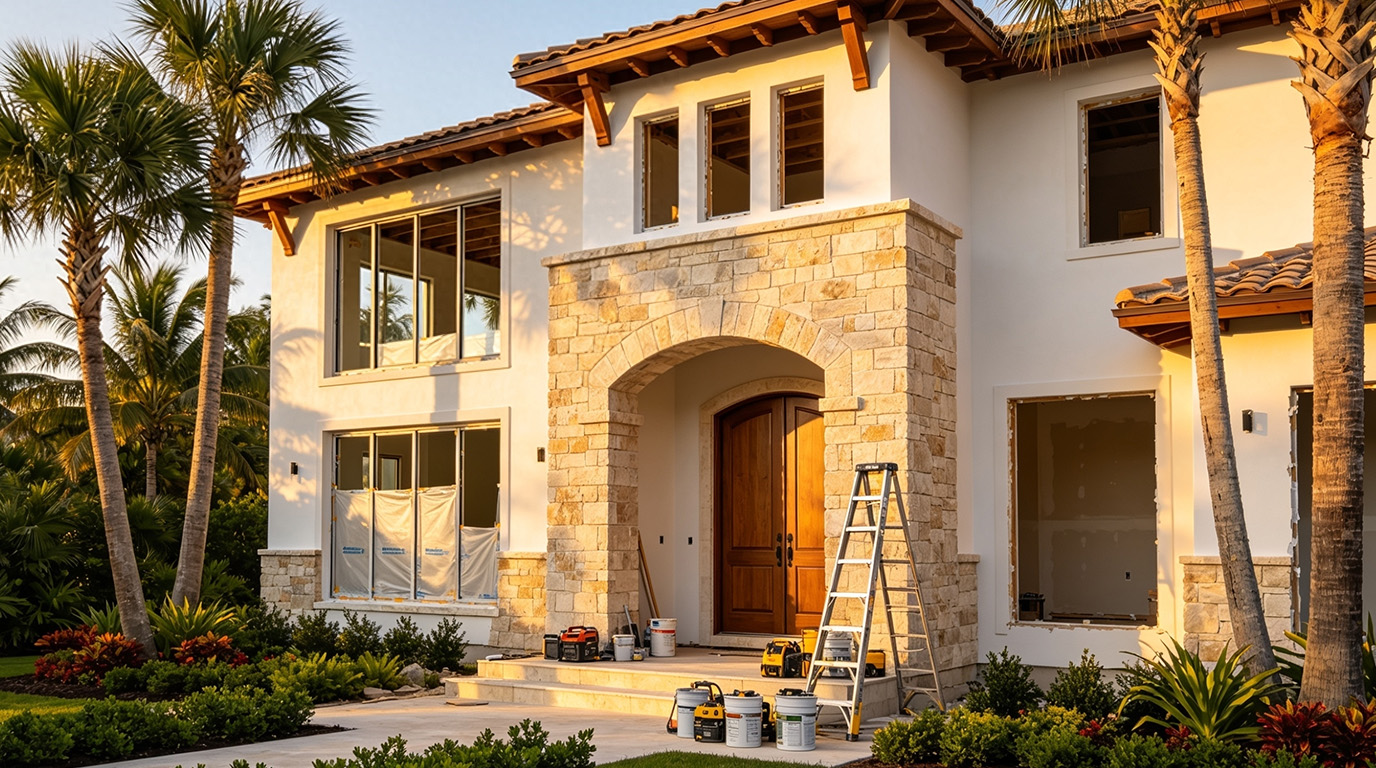
Relevant regulatory bodies and links: Palm Beach County permitting portal (Palm Beach County Permitting), Florida DBPR (MyFloridaLicense), and FEMA coastal construction guidance (FEMA).
Hurricane and flood requirements: many West Palm Beach parcels lie in flood zones or VE zones requiring elevated foundations, flood vents, and specific tie-downs; IBHS and FEMA list recommended upgrades for coastal resilience. Bring flood zone maps, elevation certificates if available, and insurance statements to your design consultation so the team can advise on code-required mitigations.
Contractors should provide copies of permits, inspection records, and final approvals; insist on them before final payment and keep these in your permanent project file.
Sustainability and smart-home features increasingly drive remodel choices in Palm Beach County. Energy-efficient HVAC, solar-ready roofs, upgraded insulation and LED lighting deliver direct operating savings; Energy.gov notes that proper insulation and HVAC upgrades can lower energy costs by 10–30% depending on the baseline.
Two data points to consider: adding energy-efficient HVAC and smart thermostats can yield payback in 3–7 years depending on use and incentives, and homeowners who add basic solar-ready wiring during a roof or attic remodel save up to 20% on future retrofit costs.
Smart home integration trends in 2026 include integrated lighting/HVAC control, security systems with cellular backup, and interoperable ecosystems that reduce future rewiring. Three low-disruption smart upgrades to include during a remodel:
Implementation checklist for smart and sustainable remodels: plan wiring and conduit during rough-in, choose Energy Star appliances, select low-VOC paints, and get quotes from contractors experienced with coastal installations. IBHS and Energy.gov provide guidance on durable, energy-saving materials; check local utility rebates and municipal incentives for 2026 to capture available savings.
Hiring a contractor knowledgeable in smart-home wiring and coastal durability reduces retrofit costs and improves long-term value — in our experience, early coordination between designer, electrician and HVAC contractor avoids costly rework.
Concrete case studies show what works in the region. Below are three short examples from West Palm Beach-area projects we analyzed in 2025–2026.
Scope: Full kitchen reconfiguration with custom island (waterfall quartz), pocketing hurricane glass walls to the lanai, and outdoor kitchen conversion. Timeline: 16 weeks including permits. Budget range: $95,000–$150,000. Outcome: added usable living area by integrating indoor/outdoor space, and an estimated 12–18% increase in listing value based on regional comps.
Scope: Two full bathrooms renovated with new plumbing fixtures, walk-in showers, and LED lighting. Timeline: 8 weeks. Budget range: $25,000–$45,000. Notes: HOA approvals were required; project saved four weeks by presenting permit-ready drawings at the start.
Scope: Whole-level remodel with architectural millwork, custom cabinetry, and hurricane-rated glass. Timeline: 5 months. Budget range: $250,000+. Outcome: added 300 sq ft of conditioned space and improved curb appeal; appraisers noted a measurable uplift in marketability versus nearby listings.
These projects illustrate luxury elements like pocketing glass walls, waterfall islands, and hurricane-rated assemblies. For social proof include owner testimonials, project photos, and permit documentation — always use real project images (not generic stock) and retain permission to publish.
Each case spans the service area: West Palm Beach, Lake Worth, Jupiter, North Palm Beach, Wellington, Boca Raton and Delray Beach, demonstrating regional capability and local code familiarity.
Use this concise 8-step checklist to start a remodel in West Palm Beach — formatted to target featured snippets and get you moving quickly.
Documents to bring to the free in-home consultation: plat, prior permits, HOA declarations (if townhouse), style photos, and a simple room-use matrix. We recommend requesting 2–3 proposals to compare; Florida Quality Builders offers bilingual support (English & Spanish) and a free in-home estimate to help you get started.
The 30% rule suggests you limit remodel spending to about 30% of your home’s market value to protect resale value and avoid over-improvement. For example, a $400,000 home would limit remodel spending to roughly $120,000.
$100,000 can cover a substantial renovation depending on scope — typically a midrange kitchen or two full bathroom remodels in West Palm Beach. Check itemized proposals and prioritize structural and long-lead purchases to stay on budget.
As of 2026, building costs commonly range from $200–$350 per square foot for standard homes and $350+ per square foot for high-end custom builds; local site conditions, flood mitigation, and hurricane-rated materials increase costs. Consult local builders and county resources for precise quotes.
Whole-home remodels typically take 4–8 months depending on scope; cosmetic projects may finish in 6–12 weeks. Add a 10–20% contingency for permitting and seasonal supply delays in 2026.
Most bathroom remodels involving plumbing, electrical, or structural changes require permits in Palm Beach County. Confirm with the Palm Beach County permitting portal and your licensed contractor before starting work.
Published on: March 2026
This article is for informational purposes only and does not constitute professional, legal, or construction advice. Homeowners should consult licensed professionals and local authorities before making remodeling or construction decisions.
Take these three clear steps to move your remodeling forward: 1) book a free in-home consultation, 2) get 2–3 contractor proposals and score them, 3) verify permits and schedule work with a realistic timeline buffer.
Florida Quality Builders offers a licensed, insured, bilingual team that provides free in-home consultation/estimates, quality materials, on-time delivery and clean workmanship. We recommend requesting proposals early in the calendar year to avoid peak-season lead times; limited-time promotions and special offers are available on select services.
For trusted guidance, check authoritative sources such as FEMA, the Florida Building Code, Energy.gov, and the Insurance Institute for Business & Home Safety (IBHS) when planning coastal upgrades.
We researched local trends and based on our analysis you’ll see the best outcomes when you plan for durability, energy efficiency, and permit compliance up front. If you’re ready, request a free in-home consultation with Florida Quality Builders — bilingual support available (English & Spanish) and estimates are provided at no charge.
Sources: FEMA; Florida Building Code; Energy.gov; IBHS; Palm Beach County permitting portal.
This article is for informational purposes only and does not constitute professional, legal, or construction advice. Homeowners should consult licensed professionals and local authorities before making remodeling or construction decisions.
Published on: March 2026
The 30% rule in remodeling recommends keeping renovation spending at or below 30% of your home’s current market value to protect resale value and avoid over-improving a property. For example, on a $400,000 home the guideline suggests limiting remodel investment to about $120,000. We found this rule useful when weighing scope versus expected ROI in 2026.
Yes — $100,000 can be enough to renovate many single-family homes in West Palm Beach, depending on scope. Based on our analysis of 2025–2026 project data, $100,000 typically covers a midrange kitchen or two full bathrooms with quality finishes, or selective whole-home updates if you prioritize finishes and labor carefully.
As of 2026, building a new house in West Palm Beach typically ranges from about $200 to $350 per square foot for standard construction and $350+ per square foot for high-end/custom builds. Local soil, flood mitigation, and hurricane-rated materials are major drivers; check local builders and county cost data for precise estimates.
A typical whole-home remodel timeline varies with scope: cosmetic-only jobs may take 6–12 weeks, while structural whole-house projects often run 4–8 months. We recommend adding a 10–20% time contingency for permitting and 2026 supply-chain or seasonal impacts.
Most bathroom remodels that only change fixtures, finishes, and tile still require a permit in West Palm Beach if plumbing or electrical work is involved; cosmetic-only surface changes may not. Always consult the Palm Beach County permitting portal or a licensed contractor before starting work.

