Upgrade Your Bathroom
Style and Functionality
Transform your bathroom into a modern and functional space with our customized solutions. From elegant finishes to space optimization, we create designs that blend comfort and style.


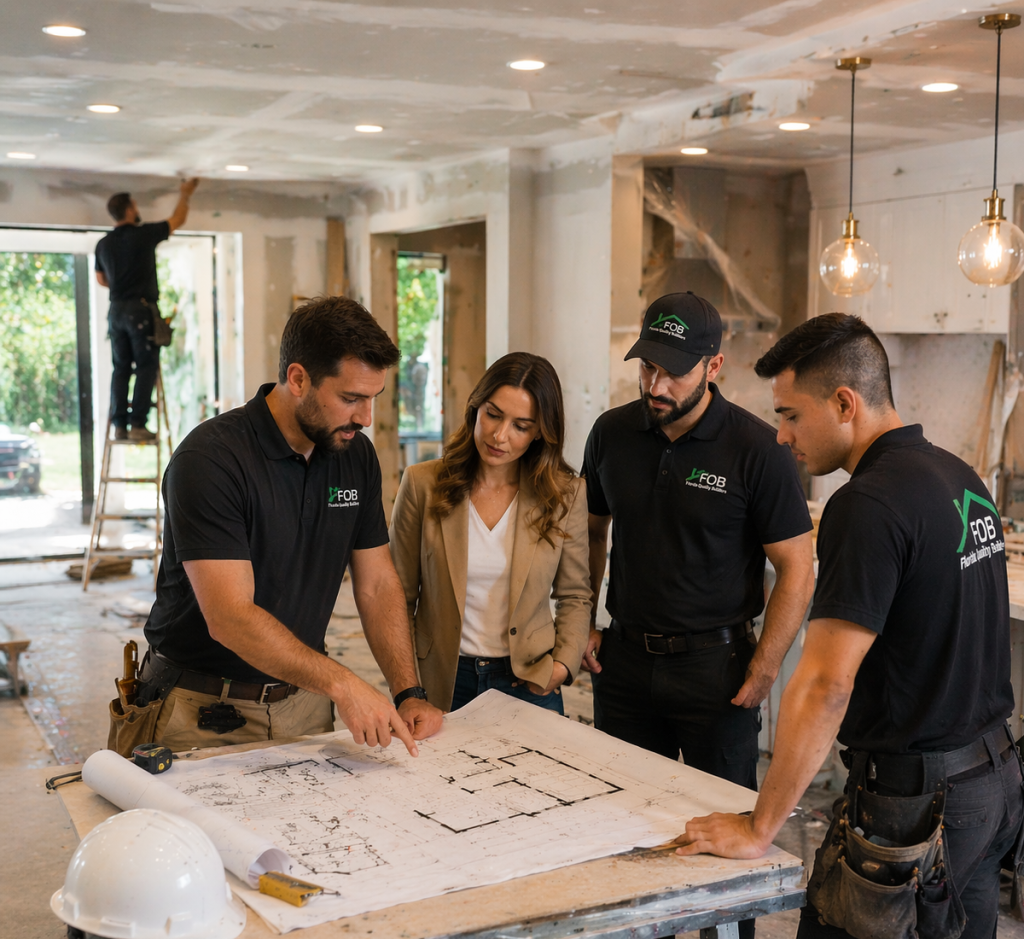
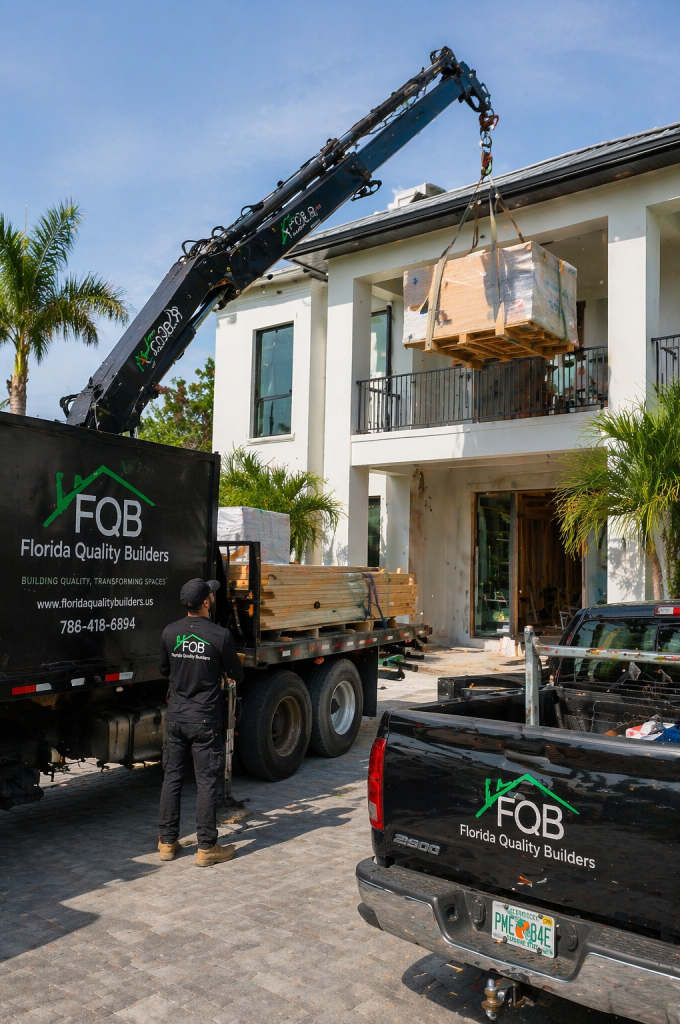
Every Miami Beach renovation should be priced around the actual property and scope rather than a generic online range. Whole-home and condominium projects can vary substantially based on design, finish selections, structural or MEP changes, existing conditions, building requirements, access and logistics, permits, and association approvals. Florida Quality Builders provides a project-specific consultation and written proposal so homeowners can evaluate the real scope and investment before construction begins.
What a project budget may include: A renovation budget may include labor, materials, permits and inspections, project coordination, site logistics, and allowances for unforeseen conditions. The appropriate allocation and contingency should be established for the specific property and scope rather than applying a generic percentage. Permit and review fees vary by jurisdiction, project valuation, scope, required disciplines, and applicable building or association requirements. Current fees should be confirmed for the specific project during planning and permitting.
Planning Example A — Miami Beach bungalow renovation:
Planning Example B — Miami Beach luxury condominium renovation:
How much does it cost to remodel a home or condominium in Miami Beach? There is no reliable one-size-fits-all price. The investment depends on the property, scope, design, finish selections, structural and MEP requirements, building or association rules, permits, access, logistics, and existing conditions. Florida Quality Builders evaluates these factors before preparing a project-specific written proposal.
Budget guidance should always be based on the specific property and confirmed scope rather than assumptions about average home size or generic online pricing. We recommend you use Florida Quality Builders’ free in-home estimate to get accurate local pricing based on exact scope, square footage, and flood zone considerations.
For an accurate project budget, Florida Quality Builders evaluates the specific property, proposed scope, existing conditions, finish level, applicable approvals, and construction requirements before preparing a written proposal.
A successful Miami Beach renovation depends on clear planning, coordinated approvals, organized construction sequencing, and consistent communication. Our process is designed to keep homeowners informed from the initial consultation through project closeout.
Project timelines are established around the actual scope, design and material selections, required approvals, inspections, trade sequencing, site conditions, and building logistics. Florida Quality Builders communicates key milestones and schedule updates throughout the project.
What can affect the schedule: Permitting and review timelines, building or association requirements, custom fabrication, cabinetry, appliance availability, owner selections, inspections, and trade coordination can all affect project timing. Florida Quality Builders focuses on early planning and procurement coordination to reduce avoidable delays and keep the project moving efficiently. Homeowner planning tip: Making key cabinet, hardware, appliance, and finish selections early helps the project team coordinate procurement and reduce avoidable schedule disruption.
Printable contractor meeting checklist:
We recommend that you bring this checklist to the free in-home estimate at Florida Quality Builders to speed the quoting process.
Permits and code compliance are central to any House Remodeling in Miami Beach project. The Florida Building Code defines minimum standards for structural, wind-load, and flood-resilience—see Florida Building Code. Miami-Dade also enforces local amendments and product approvals for hurricane-rated assemblies.
Typical permit types: mechanical, electrical, plumbing, structural, and roofing. Required inspections usually include footing/foundation, framing, electrical rough-in, plumbing rough-in, mechanical, and final. Permit review timing in Miami-Dade can vary based on project complexity, plan completeness, required disciplines, agency workload, and any revisions requested during review. Review comments or requests for additional information can vary by project and may relate to plan completeness, required calculations, product documentation, site or flood information, coordination between disciplines, or other items identified by the reviewing authority. Organized documentation and timely responses can help reduce avoidable back-and-forth during the review process.
Permit documentation may include, depending on the project:
Hurricane and coastal planning considerations:
Where applicable to the project, resilient construction details and approved impact-rated products can be considered as part of a broader strategy for durability and weather protection. Product selection and installation requirements should follow the approved plans, applicable codes, and manufacturer specifications.
Florida Quality Builders handles permit submittals, product approvals, and inspection scheduling. When bilingual communication is appropriate, it can help Spanish-speaking homeowners better understand project documentation, selections, approvals, and next steps. Florida Quality Builders focuses on clear, responsive communication and organized documentation throughout the planning and construction process.
Authoritative resources: Florida Building Code, FEMA, and IBHS.
Design choices for House Remodeling in Miami Beach must balance aesthetics with coastal durability. In 2026 buyers and homeowners favor bright, airy palettes, strong indoor-outdoor connection, and finishes that resist salt, sun, and humidity. We researched trend reports and local MLS staging and found these three priorities: durability, light, and flexibility.
Material recommendations (pros/cons & life expectancy):
Kitchen & bathroom specifics: open-plan kitchens with island seating remain the top layout for resale; walk-in curbless showers with glass enclosures are preferred in bathroom remodels. Thoughtful kitchen and bathroom improvements can support functionality, durability, design appeal, and overall marketability. Actual property value and resale results depend on the specific home, scope, neighborhood, market conditions, buyer preferences, and other factors, and no particular return on investment is guaranteed.
Flooring planning: Flooring should be selected for the specific application after considering moisture exposure, substrate conditions, maintenance, design goals, manufacturer requirements, and any applicable condominium or association standards. Porcelain tile and appropriate water-resistant resilient flooring may both be considered depending on the space, while condominium installations may also require approved sound-control assemblies and installation methods.
Two concrete design palettes:
Before-and-after photography can be useful for documenting the transformation and highlighting design details, craftsmanship, and the overall result. For homeowners preparing a property for market, presentation choices should be considered alongside the home, neighborhood, and current market conditions rather than relying on a promised sales outcome.
Choosing the right contractor is the most impactful decision in any House Remodeling in Miami Beach project. We recommend a methodical vetting process to avoid costly mistakes.
Contractor-evaluation checklist (verify each item):
A strong contractor relationship starts with clarity, communication, and accountability. Before moving forward, homeowners should understand who is responsible for project management, how the scope and payment milestones are documented, how selections and schedule coordination are handled, and how changes or unforeseen conditions are reviewed and authorized.
Price is important, but the lowest number alone does not show how a project will be managed. Scope clarity, communication, coordination, workmanship, responsiveness, and accountability all contribute to the overall client experience and project outcome.
Local experience matters because Miami Beach projects require familiarity with coastal codes, approved product lists, and local subcontractor networks. Florida Quality Builders differentiates with a bilingual team, documented on-time delivery history, and free in-home consultations. You can verify contractors via the Florida Department of Business & Professional Regulation and the Better Business Bureau for additional confidence.
Helpful links: Florida DBPR, Better Business Bureau.
Miami Beach homes and condominiums can require very different renovation strategies. The examples below illustrate common types of remodeling scopes and planning considerations; they are provided as project inspiration and are not presented as specific completed Florida Quality Builders projects.
Inspiration Example 1 — Miami Beach bungalow renovation
A bungalow renovation may combine a redesigned kitchen, bathroom improvements, updated flooring and finishes, window or exterior-envelope upgrades where applicable, and coordination of structural or MEP work required by the final design. The actual scope, schedule, investment, and permitting requirements should be established only after the property and proposed work are evaluated.
Inspiration Example 2 — High-end waterfront condo renovation
Planning takeaway: Early finish selections, realistic material lead-time planning, and coordination of building requirements can help reduce avoidable disruption. For condominium and coastal renovation projects, these decisions should be integrated into the project plan before construction reaches the affected phase.
Clear communication and organized documentation help keep homeowners, project teams, and applicable reviewing parties aligned throughout planning and construction.
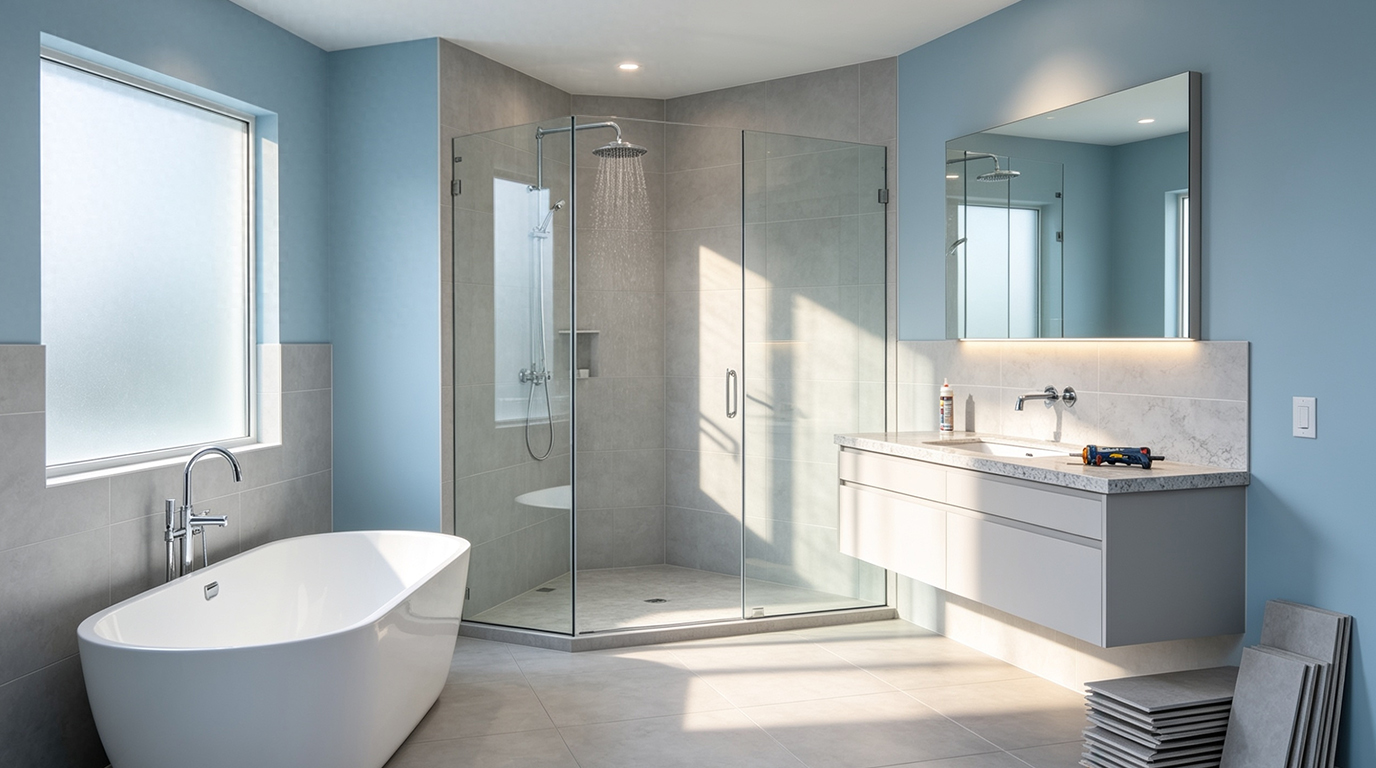
Smart budgeting makes House Remodeling in Miami Beach achievable without sacrificing long-term quality. We recommend prioritizing structure and moisture mitigation first, then finishes.
Actionable steps to reduce cost without sacrificing durability:
Potential savings depend on the actual scope and design. Preserving suitable existing elements, limiting unnecessary relocations, making selections early, and comparing appropriate standard, semi-custom, and custom options can help control the budget. Contractor selection should also consider licensing, scope clarity, communication, project management, workmanship, and accountability rather than price alone.
An appropriate contingency should be considered based on the property’s age, existing conditions, scope, design development, access, and other project-specific risks rather than applying a universal percentage. For phased plans, budget a separate contingency for phase transitions to avoid stopping the job midstream.
Note: schedule a scope review and phased plan with Florida Quality Builders to keep budgets under control and avoid poor-value shortcuts.
Timelines for House Remodeling in Miami Beach are predictable when you control the common variables. Project timelines vary by the actual scope and conditions of the work. Florida Quality Builders focuses on efficient execution without sacrificing workmanship or the client experience, with scheduling built around project-specific requirements such as design, approvals, inspections, selections, procurement, site conditions, access, and authorized changes.
Common factors that can affect a remodeling schedule include:
Ways homeowners can help keep the project moving efficiently:
Seasonal and procurement planning: Exterior work, special-order products, and weather-sensitive activities should be coordinated around current material availability, manufacturer lead times, site conditions, and weather. Early selections and procurement planning can help reduce avoidable schedule pressure.
Quality Work. Efficient Execution. Service First. Florida Quality Builders approaches each renovation with proactive planning, organized trade coordination, material scheduling, and responsive project management to keep work moving efficiently without sacrificing craftsmanship. Our goal is to minimize avoidable delays while maintaining the quality and attention to detail the project deserves.
Service-first project communication: Florida Quality Builders prioritizes clear, responsive communication throughout the renovation. Depending on the project, clients receive progress updates, milestone communication, coordination on selections and decisions, and notice of important upcoming work or inspections. Our goal is to keep homeowners informed, reduce avoidable surprises, and provide a clear point of contact from planning through final walk-through.
Miami Beach’s multilingual population makes bilingual communication a practical necessity for House Remodeling in Miami Beach. According to the U.S. Census data and local county reports, many households are Spanish-speaking; bilingual project management reduces misunderstandings and speeds approvals.
Documents to provide bilingually:
Sample translated phrases to include in documents: “start date” (fecha de inicio), “scope of work” (alcance del trabajo), “punch list” (lista de pendientes), “final acceptance” (aceptación final). We provide bilingual packets that include exact translations of these terms to prevent disputes.
Clear communication can be especially valuable when project documentation, owner authorizations, building requirements, or trade coordination need clarification. Our goal is to identify questions early, communicate them clearly, and help keep the project documentation organized throughout the approval and construction process.
Clear communication for diverse South Florida clients: When bilingual communication is appropriate for a project, it can help homeowners better understand selections, documentation, project decisions, and next steps. Florida Quality Builders focuses on responsive communication and organized project information so clients can stay informed throughout the renovation process.
Below are answers to common homeowner questions about House Remodeling in Miami Beach. Because every property and scope is different, project-specific requirements should be confirmed during planning and consultation.
For answers tailored to your property, schedule a consultation with Florida Quality Builders. We can review the proposed scope and discuss the next steps for planning, approvals, and construction.
Ready to move forward with House Remodeling in Miami Beach? Follow these three actionable steps:
Florida Quality Builders focuses on a service-first client experience, quality craftsmanship, responsive communication, organized project management, and efficient execution. Before the consultation, homeowners can prepare available plans, photos, inspiration, property or association information, and key priorities to help make the project discussion as productive as possible. speed quoting.
Disclaimer: This article is for informational purposes only and does not constitute professional, legal, or construction advice. Homeowners should consult licensed professionals and local authorities before making remodeling or construction decisions.
Sources cited in this guide include: FEMA, Florida Building Code, Energy.gov, Insurance Institute for Business & Home Safety, and Remodeling Magazine / Cost vs. Value. Published on: March 2026. Book your free consultation at Florida Quality Builders — limited-time promotions may apply.
The timeline for a kitchen remodel depends on the approved scope, existing conditions, design and engineering needs, permitting or association requirements, inspections, selections, cabinetry and material lead times, trade coordination, and any authorized changes. Florida Quality Builders plans each project around its actual requirements and focuses on efficient execution, clear communication, and quality workmanship from preparation through final walkthrough.
Permit requirements depend on the specific scope of work and the authority having jurisdiction. Structural work and many electrical, plumbing, mechanical, exterior, or other regulated alterations may require permits, while some limited cosmetic work may not. Florida Quality Builders reviews the proposed scope and coordinates applicable permitting requirements as part of project planning.
A well-planned remodel can improve how a home functions, feels, and presents to future buyers. Design quality, durability, layout, workmanship, neighborhood conditions, market timing, buyer preferences, and the specific scope all influence marketability and property value. Florida Quality Builders focuses on creating improvements that serve the homeowner’s goals and the property itself; no specific resale value or return on investment is guaranteed.
Requirements vary by property, project scope, applicable code, product approvals, flood-zone considerations, and the authority reviewing the work. Depending on the project, impact-rated openings, structural connections, roofing details, or other resilience measures may apply. Florida Quality Builders coordinates the construction scope with the approved project documents and applicable permitting requirements.
Flooring should be selected according to the specific space, moisture exposure, substrate conditions, maintenance expectations, design goals, product specifications, and applicable building or association requirements. Porcelain tile and appropriate water-resistant resilient flooring products may both be considered depending on the application, while condominium projects may also require attention to sound-control assemblies and approved installation methods.
Whether a home can remain occupied depends on the scope, phasing, access, utilities, dust and noise, safety considerations, and any building or association requirements. Florida Quality Builders reviews these conditions with the homeowner and plans the construction sequence to support a safe, organized, and efficient project experience.
Older homes and renovation projects can reveal concealed conditions after demolition or investigation, including structural, moisture, plumbing, electrical, or substrate issues. The appropriate contingency depends on the property, available inspections, project scope, existing conditions, and level of uncertainty. Florida Quality Builders communicates discovered conditions clearly and addresses work outside the approved scope through documented review and authorization before proceeding when applicable.

