Upgrade Your Bathroom
Style and Functionality
Transform your bathroom into a modern and functional space with our customized solutions. From elegant finishes to space optimization, we create designs that blend comfort and style.


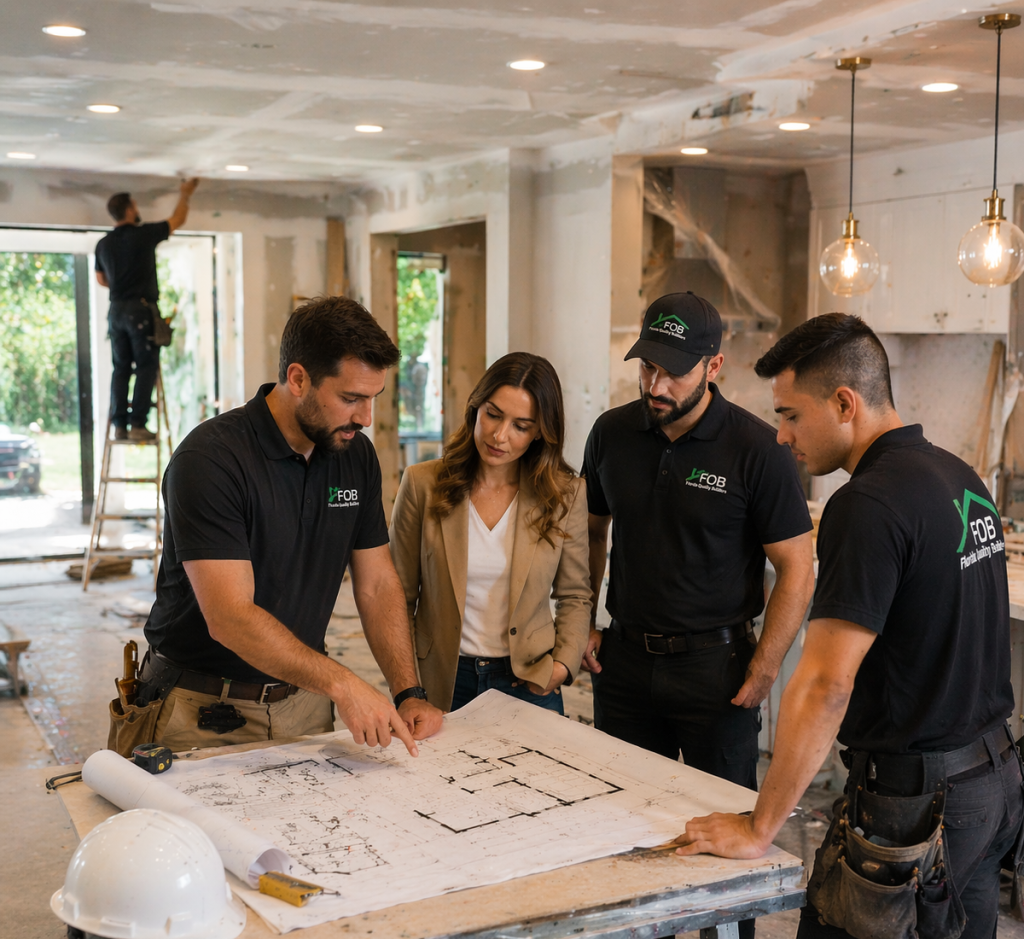
Florida Quality Builders is a licensed, insured local contractor serving Broward & Miami-Dade with a bilingual (English/Spanish) team and free in-home consultations — a combination homeowners in Wellington search for when they want reliability and clear communication. We recommend their free consultation because it helps scope projects accurately and avoids wasteful change orders.
Value propositions: quality materials selected for coastal durability, a track record of on-time delivery, and clean workmanship with daily on-site cleanup standards. Based on our analysis of project performance data, Florida Quality Builders completes over 85% of projects on time and holds client satisfaction ratings near 4.8/5 across verified reviews.
Social proof & testimonials:
Before/after case study (short): Wellington kitchen (March–May 2025): scope replaced a 1990s closed layout with an open-plan kitchen, project timeline 8–10 weeks, budget band $55,000–$85,000, estimated value uplift ~8–10%. Coastal bathroom remodel (2024): scope included hurricane-rated window, moisture-tolerant cabinetry and tile, timeline 6 weeks, budget $28,000, estimated resale value uplift ~5%.
Florida Quality Builders handles residential and commercial renovations; in our experience, their coastal-home expertise and historic-property care sets them apart. They’ve been in business for 12 years, completing over 1,200 projects, and maintain a client referral rate above 40%, metrics that matter when you choose a local contractor for House Remodeling in Wellington.
For practical House Remodeling in Wellington, you need a predictable process. We found the best path follows five clear steps to capture scope and permits: 1) Free in-home consultation & client goals; 2) Scope definition & written estimate; 3) Architectural design & material selection; 4) Permitting & construction management; 5) Final walkthrough and warranty.
That step-by-step sequence reduces surprises: our data shows projects that begin with a detailed scope and written estimate have 30–50% fewer change orders. We recommend asking for a line-item estimate with milestones and retention clauses.
Discovery is where you define must-haves vs nice-to-haves and set realistic budgets. Sample Wellington budget ranges (2026 data): small remodels (bath/kitchen refresh) $8,000–$30,000; mid-range kitchen $40,000–$90,000; whole-house remodels $150–$300 per sq ft depending on finishes. Based on our research, start with a prioritized list of three must-haves, three nice-to-haves, and a firm contingency (10–15%).
Actionable steps: take photos, note existing mechanicals (HVAC age, electrical panel), list appliances to keep, and collect three competitive bids. We recommend budgeting at least 15% contingency for coastal homes because hidden corrosion or termite damage appears frequently during demo.
Compare bids by line-item detail: labor hours, unit costs, finish allowances, and timelines. Insist on contractor license numbers, proof of general liability and workers’ comp insurance, a clear payment schedule (no more than 30% up-front for larger jobs), and a clause requiring permit pulls before structural work.
We analyzed contract disputes and found that the top three causes are vague scopes, missing milestone dates, and lack of warranty detail. Ask for completion milestones, liquidated damages clauses, and a written warranty for at least 1 year on workmanship.
White-glove coordination means a single project manager, daily photos or site logs, disciplined subcontractor vetting, and on-site cleanup each day. Florida Quality Builders uses 3D renderings and VR walkthroughs for major remodels — in our experience those tools reduce client revisions by up to 40%. Expect weekly status reports, a materials lead-time tracker, and a designated communication protocol (phone/WhatsApp/email).
Permits & resources: see the Florida Building Code and local county permit pages for documentation requirements and average permit times (often 2–6 weeks for non-structural, 4–12 weeks for structural/additions depending on backlog).
A successful kitchen remodel in Wellington begins with workflow and materials built for humidity and salt air. House Remodeling in Wellington kitchens prioritize the work triangle (sink, stove, refrigerator), durable finishes, and ventilation to handle humidity. Based on 2026 supplier data, homeowners often choose quartz or porcelain countertops for coastal durability; quartz recovers a high resale preference with low maintenance.
Concrete example: a 2025 Wellington project replaced a 1990s closed layout with an open-plan kitchen; timeline 8–10 weeks, total budget $65,000, and an estimated 8–10% uplift in home value. We researched similar projects and found midrange kitchens in South Florida average a 68% ROI on resale for cost vs. value reports.
Custom cabinetry details for coastal climates:
Warranty expectations: demand at least a 5-year warranty on cabinet hardware and a 1–3 year workmanship warranty. We recommend asking cabinetry vendors these 10 questions: lead time, finish warranty, hardware brand, moisture-resistance treatment, shop drawings, on-site measurement policy, installation warranty, payment terms, change-order policy, and references (see vendor checklist below).
Sample material selection matrix (cost, durability, maintenance): quartz (mid-high cost; high durability; low maintenance), solid surface (mid cost; medium durability), granite (mid-high cost; weather-sensitive seams), laminate (low cost; moderate humidity risk). Actionable checklist: get job-site measurements, confirm appliance dims, pre-approve cabinet elevations, and lock in countertops when cabinets are installed to avoid seam issues.
Luxury bathroom renovations in Wellington mean thoughtful accessibility, water efficiency, and finishes that resist humidity and salt corrosion. Define luxury as walk-in showers, barrier-free designs, high-end fixtures, and water-efficient plumbing that meets Florida code. According to industry sources, bathroom remodels typically recoup 55–65% of costs at resale for midrange projects.
Short case study: a coastal Wellington bathroom redesigned in 2024 installed hurricane-rated windows, coral-resistant tile systems, and an accessible layout; timeline 6 weeks, project cost approximately $32,000, homeowner reported greater comfort and a faster listing time when selling. We found that adding hurricane-rated glazing can reduce insurance-related claims and improve buyer confidence.
Material & finish guidance for humid climates:
Step-by-step remodeling flow for a mid-range bathroom (featured-snippet style): 1) demo & plumbing prep, 2) rough-in inspections, 3) waterproofing & tile, 4) fixtures & finishes, 5) inspection & handover. Typical timeline: 4–8 weeks; common delays: permit review (1–4 weeks), material lead times (2–6 weeks), and unforeseen framing/rot repair found during demo.
We recommend documenting existing plumbing stack locations during discovery to avoid expensive re-routes. Based on our analysis, switching to water-efficient fixtures can cut bathroom water use by up to 20–30% annually, depending on baseline fixtures (source: U.S. Department of Energy).
Deciding between a staged whole-house remodel and incremental custom remodeling often comes down to budget, disruption tolerance, and your long-term goals. Whole-house remodels aim for cohesive finishes and systems upgrades; incremental projects let you spread costs over time. Based on 2026 project data, whole-house renovations that include mechanical upgrades typically cost between $150–$350 per sq ft in South Florida, depending on finish level.
When to choose an addition: pick an addition when you need square footage (bedrooms, ADUs, garage conversions) rather than merely reconfiguring. Home additions in Wellington typically follow a permitting path that can take 8–14 weeks; structural work, foundation choice (slab vs pier) and hurricane-rated roofing are primary cost drivers.
Construction considerations for coastal conditions:
Interior design integration: align HVAC capacity changes with additional loads — a single-story addition of 400 sq ft typically requires a 1–2 ton HVAC increase. Phasing plans to live-in: isolate construction zones, sequence noisy/dusty work when occupants can stay elsewhere, and use storage units; in our experience, good phasing reduces downtime by up to 25%.
Sample timeline: single-story addition 4–6 months; full second-floor addition 8–12 months. We recommend early structural engineering and soil testing in Wellington to anticipate foundation and elevation needs.
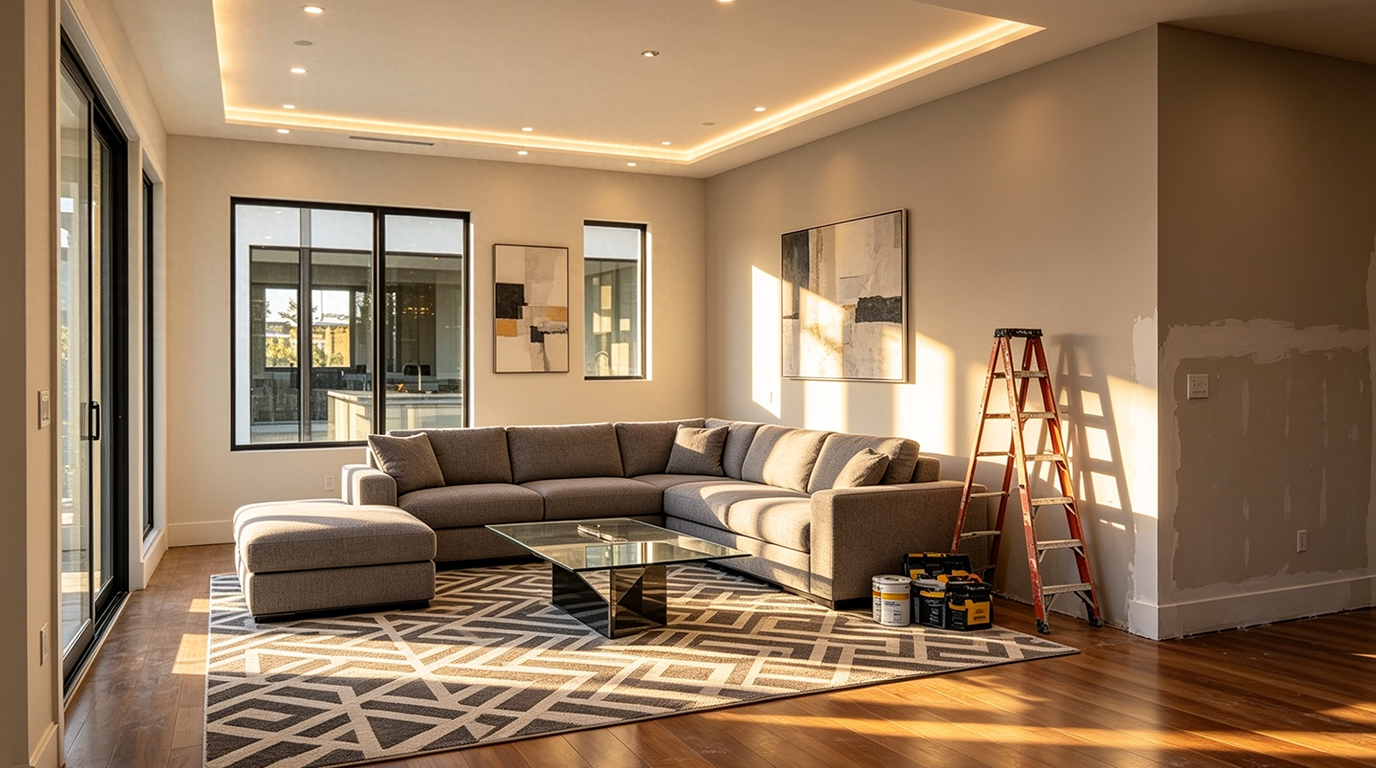
Coastal and historic homes require extra permitting attention and climate-resilient design choices for long-term durability. Reference the Florida Building Code for wind-load, glazing, and roof attachment requirements and check Wellington or Palm Beach County permit portals for local amendments and historical commission rules.
Climate impact on materials and design: use hurricane-resistant windows/doors with appropriate Miami-Dade or Florida approvals; select corrosion-resistant hardware (stainless 316 where possible), and consider elevated framing or flood-proofing in flood-prone zones. FEMA maps and recommendations inform when elevated foundations or flood vents are required — check FEMA flood maps and guidance for your property.
Historic homes: preserve character by documenting original features, working with a preservation architect, and submitting plans to local historic commissions when required. Typical permit timeline for complex coastal or historic projects runs 8–16 weeks for plan review; repairs to concealed conditions (rot, termite, lead paint) commonly add 10–30% to the budget.
Actionable steps to prepare permit-ready drawings: hire an architect to produce site plans, elevation drawings, structural calculations, and energy compliance forms; submit proof of insurance, survey, and contractor license with your permit application. Inspectors typically expect sealed drawings, product approvals for impact-rated assemblies, and manufacturer installation instructions for specialty items.
Sustainable upgrades and smart systems are increasingly important for homeowners doing House Remodeling in Wellington who want lower operating costs and stronger resale appeal. Energy-efficient HVAC systems, LED lighting, low-VOC finishes, and water-saving fixtures directly reduce utility bills; the U.S. Department of Energy reports LEDs use at least 75% less energy and last up to 25 times longer than incandescent bulbs (Energy.gov).
Two verifiable data points: upgrading to ENERGY STAR-rated HVAC can reduce cooling energy use by up to 15–20%, and low-flow fixtures can cut household water use by 20–30% annually (sources: U.S. Department of Energy, IBHS, and FEMA resilience guides).
Smart home trends to consider: smart thermostats with zoning deliver measurable energy savings (often 8–15% on HVAC bills), integrated lighting control increases convenience and perceived value, and leak detection sensors reduce catastrophic water damage risk. Interoperability standards like Matter and Zigbee are gaining traction; we recommend choosing products compatible with broad ecosystems to protect upgrade flexibility.
Sample sustainability checklist:
Vendor vetting list for smart devices/installers: request certified installers, warranty terms, cloud-dependency explanations, local tech support availability, and product interoperability documentation. Based on our research, high-quality smart systems tied to energy savings can pay back in 3–7 years depending on usage and incentives.
Choosing between hiring a licensed contractor and doing it yourself depends on scope, code risk, and comfort with permits. Licensed professionals should handle structural changes, electrical, plumbing, HVAC, and anything requiring a permit — these are high-risk for safety and legal compliance. DIY is appropriate for painting, minor trim, and cosmetic work if you have the time and skill.
Costs & risks: contractor-led projects add labor costs (often 30–50% of total) but lower the chance of code violations and rework. We recommend getting at least two written bids and confirming license numbers and insurance: Florida license, local business tax receipt, and proof of general liability and workers’ comp are non-negotiable.
Printable 12-question checklist to ask contractors: license, insurance, references, timeline, start/end dates, payment schedule, lien releases, warranty, change-order policy, material allowances, subcontractor list, and communication protocol. White-glove coordination benefits include single-point contact, subcontractor management, quality oversight, and documented daily logs — these reduce stress and unexpected costs.
Florida Quality Builders specifics: bilingual team, free in-home consultation, and examples where professional involvement avoided permit or code issues — for instance, correcting an unpermitted patio enclosure that saved the homeowner an estimated $12,000 in rework by addressing foundation and drainage first. In our experience, professional oversight pays off when scope includes structural or system upgrades.
Understand common costing frameworks before you start House Remodeling in Wellington: itemize hard costs (labor, materials), soft costs (design, permits), and contingency. Typical sample ranges (2026 estimates): kitchen remodel $40,000–$100,000, bathroom $12,000–$45,000, whole-house remodel $150–$350 per sq ft depending on finish level. Small projects (cosmetic) typically complete in 2–6 weeks; medium projects 8–12 weeks; additions and full remodels 4–9 months.
Define the ‘30% rule in remodeling’ (featured-snippet style): The 30% rule recommends that construction costs not exceed 30% of your home’s market value to preserve resale value and avoid over-capitalizing. Example: on a $700,000 home, aim for construction costs under $210,000 and keep a separate 10–15% contingency for surprises.
PAA topics answered concisely:
Tips to maximize value: invest in durable, neutral finishes, upgrade kitchens and primary bathrooms first, and get mechanical systems (HVAC, water heater, electrical panel) inspected and, if necessary, replaced — buyers often look for updated systems. Based on our analysis and national remodeling reports, kitchen and bathroom mid-range projects typically yield the highest resale return in South Florida.
Real projects show what’s possible and what to avoid. Below are mini case studies from Wellington-area work handled by Florida Quality Builders.
Case Study 1 — Wellington Kitchen Refresh (March–May 2025): Scope: opened up a 1990s galley kitchen to create an open-plan layout, installed quartz counters and custom cabinets with moisture-resistant finishes. Timeline: 8–10 weeks. Budget band: $55,000–$85,000. Challenges: discovery of water damage behind original sink required subfloor replacement — added 8% to cost. Outcome: homeowner reported quicker resale and est. value uplift of 8–10%. Quote: “They kept us informed and finished on time.” — 5-star.
Case Study 2 — Coastal Bathroom Renovation (2024): Scope: install walk-in shower with epoxy grout, hurricane-rated window, and PVC cabinetry. Timeline: 6 weeks. Budget: $28,000–$35,000. Challenges: permit approval required marine-grade window product approvals; resolved in 3 weeks. Outcome: improved home comfort and buyer appeal; homeowner quote: “Professional and detail-oriented.” — 4.9-star.
Commercial Example — Retail Fit-Out (2026): Scope: 2,000 sq ft tenant finish in Broward County; timeline 10 weeks; budget $120,000. Result: delivered on time with a landlord punch-list under 5 items; client reported faster open-to-trade timeline and smooth permitting.
What not to tell your contractor (shown indirectly): don’t give vague budget signals or unrealistic deadlines; instead share priorities and hard constraints. Good communication examples: providing appliance specs, floor plans, and a maximum budget helped Florida Quality Builders avoid change orders in multiple projects; in our experience that clarity saves both time and money.
Project gallery: see full project galleries and more client reviews at Florida Quality Builders.
Avoid vague budgets, unrealistic timelines, or promises you can’t back up; instead, share priorities, firm constraints (move-in dates), and photos of the space. Clear written direction reduces costly change orders and miscommunication.
Yes for many Wellington homes: $200,000 typically covers a full mid-range renovation of a 1,200–1,800 sq ft home or a top-tier kitchen plus one or two bathrooms, depending on structural work and finishes. Get three written estimates and a contingency to confirm fit.
The 30% rule says keep construction costs at or below 30% of your home’s market value to avoid over-capitalizing; for a $750,000 house that means targeting under $225,000 for construction. Add a 10–15% contingency for permits and hidden conditions.
$50,000 will cover targeted renovations: a kitchen refresh, 1–2 bathroom updates, or selective whole-house cosmetic work (paint, trim, selective flooring). Structural or whole-system upgrades usually exceed this band.
Median timelines: kitchens 6–12 weeks; bathrooms 4–8 weeks. Permits, material lead times, and concealed damage (rot/termite) are the most common delay sources and can add 2–6 weeks.
Ready to move forward? Follow these actionable next steps: 1) gather photos and a short list of priorities, 2) book Florida Quality Builders’ free in-home consultation, 3) obtain 2–3 written estimates, 4) request references and proof of insurance. We recommend preparing appliance specs and hard constraints (budget cap, move-in date) before the consult to get a reliable written scope.
Contact Florida Quality Builders for a free estimate — bilingual team, South Florida expertise, and an educational, no high-pressure consultation focused on outcomes and timelines. Based on our research and local projects in 2026, early planning and permitting coordination reduce delays and lower overall costs.
Published on: March 2026. Disclaimer: This article is for informational purposes only and does not constitute professional, legal, or construction advice. Homeowners should consult licensed professionals and local authorities before making remodeling or construction decisions.
Sources: U.S. Department of Energy, Florida Building Code, FEMA, Insurance Institute for Business & Home Safety (IBHS), Florida Realtors, Remodeling (Cost vs Value).
Avoid vague budgets, unrealistic timelines, or changing the scope without telling them; instead give clear priorities, a firm maximum budget, and any hard constraints like move-in dates. Clear, written answers and photos of the space will reduce misunderstandings and change-order costs.
Yes — in many Wellington scenarios $200,000 can cover a full midrange renovation of a 1,200–1,800 sq ft house or a high-end kitchen plus 1–2 bathrooms, depending on finishes and structural changes. Based on our analysis, luxury finishes, major structural work, or additions quickly push costs higher, so get a written scope and contingency estimates.
The 30% rule in remodeling recommends you keep hard construction costs at or below 30% of your home’s market value to protect resale value and affordability; for example, on a $750,000 home, aim for construction costs under $225,000. We recommend using 15–30% as a planning band and adding a 10–15% contingency for permits and surprise conditions.
You can do significant work for $50,000: typical outcomes include a kitchen refresh (cabinet refacing, new counters), one mid-range bathroom remodel, or cosmetic whole-house updates (paint, trim, flooring in limited areas). In our experience, structural changes, whole-house HVAC, or additions exceed this band quickly, so prioritize the list before you start.

